
Study modules “NEW FOOD PRODUCT DEVELOPMENT” has been developed for the open university
sessions. Every audience from the university - students and lecturers, from food industry (the
middle and higher-level specialists) and anyone interested who wants to learn about the
development process of new food products, can participate. The study module is designed
based on the basic principles of student-cantered training using the latest training methods.
The training of the module is organized in 20% theoretical lessons and 80% practical lessons.
During the practical lessons, professional problem situations are solved and solutions for new
ideas and products are found. Students with different knowledge, professional experience,
but with a high degree of interest ensure mutual communication and the learning process by
learning from each other.
- Муаллим: Emīls Kozlinskis
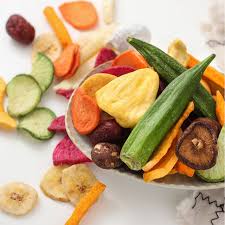
The study module “Fruit and Vegetable Processing Technologies” has been developed for students to get them acquainted with basic knowledge on fruit and vegetable processing technologies as well as new product development.
The aim and objectives of the study subject are to provide knowledge about the technological processes of fruit and vegetable processing, the equipment used and packaging options, and product quality requirements. Students learn about the chemical composition and physical properties of fruits and vegetables. They acquire basic knowledge about fruit and vegetable processing and physical, biochemical and microbiological processes during the production of these products. They also get informed about defects of fruit and vegetable products and possible options to avoid them. They obtain knowledge of the sensory evaluation principles of fruit and vegetable processing products. Get acquainted with special equipment used in this industry, product packaging solutions, and product risk and safety assessment.
- Муаллим: Liene Ozola
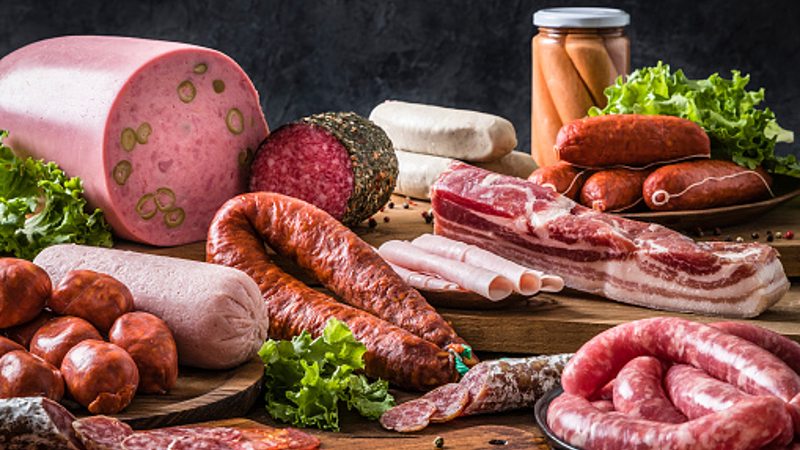
Study modules “Meat processing technologies” have been developed for the students can obtain the knowledge about criteria for estimation chemical composition, physical properties of meat quality. Students also receive a basic knowledge about physical, biochemical and microbiological processes in meat production, necessary equipment and packaging. They gain knowledge about the reasons for defects in various meat products, food safety requirements for the production of meat products.
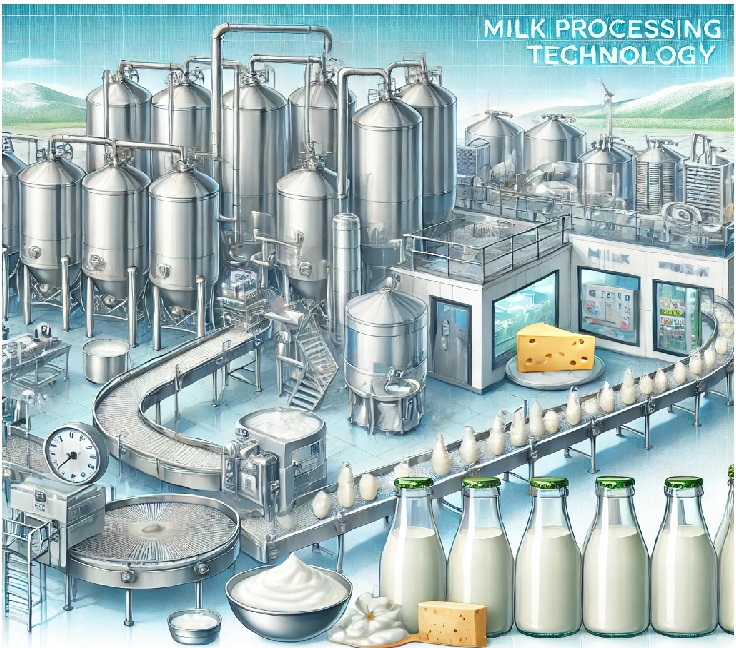
In the framework of the study course “Milk Processing Technology”, students acquire knowledge of importance of processing milk of safe and health products production for consumer. The aim of the course is to create a understanding of the modern production of dairy products. Particular attention is devoted to the development of practical skills for testing of sensory, physicochemical and microbiological quality parameters for dairy products; understanding the causes of product defects; learning the operational principles of technological equipment used in the manufacture of dairy products, including packaging, and measures for product safety monitoring.
- Муаллим: Jelena Zagorska

Study module “Academic Writing” has been developed for researcher training. For many researchers, writing is the hardest skill to learn. This study module explores the definition of academic writing, examines its key components in-depth, and offers tips for improving academic writing. Writing that disseminates concepts, data, and research to a broader academic audience is known as academic writing. Academic writing can be classified into two categories: expert academic writing, tailored for publication in scholarly journals or books, and student academic writing, integral to academic assessment in universities and schools as a precursor to higher education. The same criteria apply to both student and expert academic writing, which can be challenging for students to learn.
Teachers: Ruta Galoburda, Zanda Kruma, Miroslava Kačániová
- Муаллим: Ruta Galoburda
Study module “Cereal Technology '' has been developed for the open university sessions. Every audience from the university, both students and lecturers, from the middle and higher-level specialists of the food industry, as well as anyone interested who wants to learn about cereal processing, bread making and flour confectionery can participate. The study module is designed based on the basic principles of student-centred training using the latest training methods The module includes the following topics: technological process and equipment, packaging material and equipment, raw materials and product quality evaluation, including sensory evaluation. Quality management assurances in the grain processing. The training of the module is organised in 50% theoretical lessons and 50% practical lessons. During the practical lessons, professional problem situations are solved. Students with different knowledge, professional experience, but with a high degree of interest ensure mutual communication and the learning process by learning from each other.
- Муаллим: Dace Kļava