OFINU News
Section outline
-
-
On 9 January 2026, all project partners gathered for an online meeting to exchange experiences and insights gained during the piloting of the Open University study format and newly developed study modules.
The meeting provided a platform for partners to reflect on the implementation process, share lessons learned, and evaluate the teaching methods and approaches applied during the pilot trainings. Particular attention was given to identifying strengths, challenges, and areas for improvement in order to further enhance the quality and effectiveness of the study format.
In addition, partners discussed the process and methodology for the in-depth evaluation, which will ensure a comprehensive and structured assessment of the Open University model. This includes analysing the relevance of the study content, the effectiveness of teaching methods, and the overall alignment of the approach with the needs of universities and the food industry sector.
In the coming months, project partners will continue refining the content of the study modules, while academic staff will further develop their pedagogical skills to strengthen their capacity to deliver education that is responsive to the needs of the economic environment. At the same time, Samarkand Agroinnovations and Research University (P2) will continue the piloting of Module No.4, which is scheduled to be completed in April 2026.
All collected insights, feedback, and evaluation results will be systematically compiled and used for the preparation of the piloting report, providing a solid basis for further development and future implementation of the Open University study format.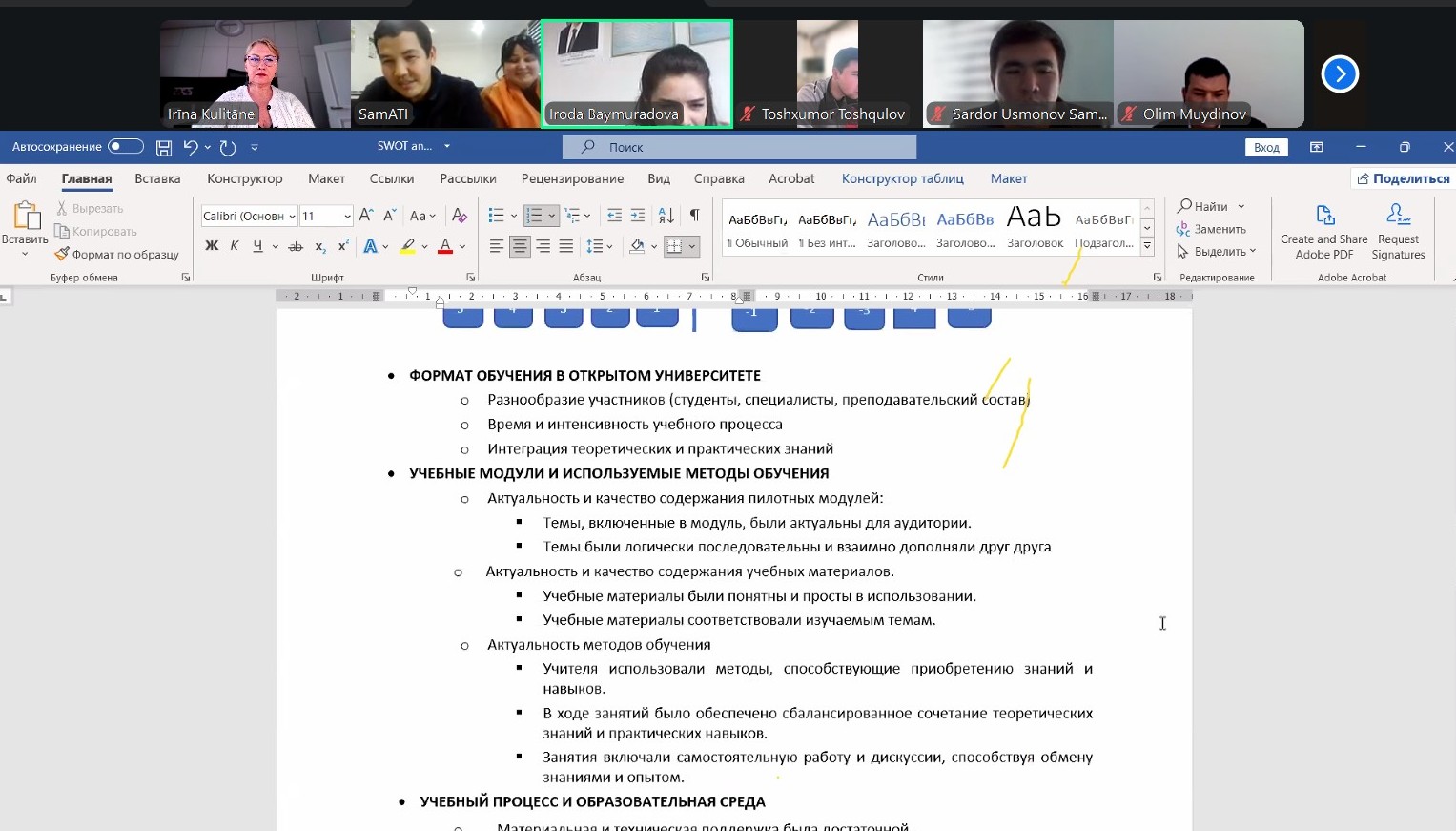
-
-
17.12.2025 Piloting of the Open University Study Format and New Study Modules at the Andijan Institute of Agriculture and Agrotechnologies (P3 AIAA)
-
The piloting of the Open University study format and newly developed study modules was implemented at the Andijan Institute of Agriculture and Agrotechnology during the period from 2 October to 12 December 2025. This initiative was carried out with the involvement of academic staff from the Latvia University of Life Sciences and Technologies and the Slovak University of Agriculture in Nitra.
Within the framework of the piloting, two study modules: “Fruit and Vegetable Processing Technologies” and “New Food Product Development” were introduced and tested, combining theoretical instruction with hands-on learning.
From 3 to 7 November 2025, LBTU professors Dace Klava, Evita Straumite, and Liene Ozola led a series of lectures and laboratory sessions. Their teaching focused on modern fruit and vegetable processing techniques, as well as practical approaches to developing innovative food products. Eva Ivanisova and Oleg Paulen provided lectures on food innovation and alternative food sources. Piloting activities were supported by newly acquired equipment made available through the OFINU project, enabling participants to engage in applied experimentation.
The piloting brought together a broad group of participants, including students, academic staff, and external learners, particularly employees from local food processing companies in the Andijan region. Their involvement contributed to a dynamic exchange of knowledge and strengthened the link between higher education and industry practice.
Representatives from other partner universities, participating in the OFINU project, joined the activities, further enhancing collaboration and regional knowledge sharing. A visit to the production site of the associated partner, food producer “Navigul”, was organised.
The piloting process, including its concluding phase on 12 December 2025, focused on assessing the effectiveness of the Open University approach, as well as evaluating the relevance and quality of the study modules and teaching methods. The results highlight the strong potential for introducing innovative, practice-oriented learning models in the Fergana Valley - one of Central Asia’s key fruit-growing regions.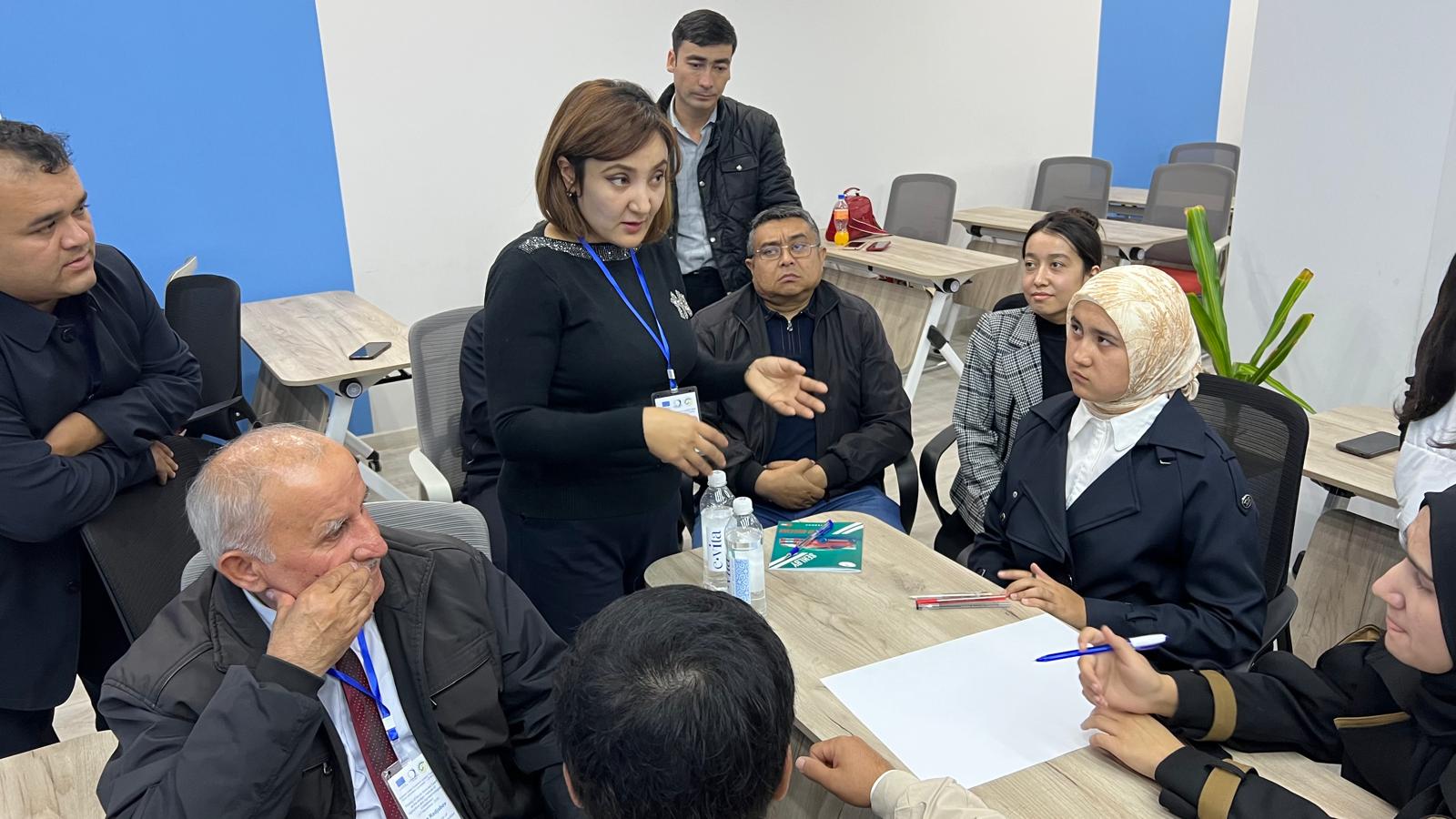
-
-
08.12.2025 Piloting of the Open University Study Format and New Study Modules at the Branch of the Technological University of Tajikistan in Isfara (BP5 TUTI)
-
The piloting of the Open University study format and newly developed study modules was carried out at the Branch of the Technological University of Tajikistan in Isfara (BTUTI), with the support of professors from the Latvia University of Life Sciences and Technologies and the Slovak University of Agriculture in Nitra.
Two study modules: “Fruit and Vegetable Processing Technologies” and “New Food Product Development” were tested at the BTUTI during the period from 15 September to 5 December 2025.
From 8 to 11 November 2025, LBTU professors Dace Klava, Evita Straumite, and Liene Ozola delivered lectures and conducted practical and laboratory sessions focusing on fruit and vegetable processing technologies, therefore supporting the BTUTI staff. They demonstrated modern processes and approaches for innovative food product development. SUA professors Eva Ivanisova and Oleg Paulen provided remote lectures on food innovation, alternative food sources, properties and peculiarities of different fruits as factors influencing postharvest management and processing. The piloting process was made possible through the use of new equipment acquired within the OFINU project.
BTUTI teachers and students actively participated in the lectures and practical sessions. Representatives of local fruit processing companies from Isfara and the region joined the study process in the capacity of external learners. In addition, representatives from other OFINU partner institutions - the Andijan Institute of Agriculture and Agrotechnology (Andijan), Samarkand Agroinnovations and Research University (Samarkand), the Technological University of Tajikistan (Dushanbe), and the University of Innovation and Digital Technologies of Tajikistan (Kulob) took part in the piloting activities.
On 11 November 2025, a site visit to the food enterprises was conducted. At the dried fruit processing enterprise LLC “Fruit Valley”, guests were welcomed by the enterprise director, D. Saifulloev, and the commercial director, L. Ortuqov. During the visit, guests observed the fruit kernel processing line and their preparation for export. Afterwards, the students and researchers visited the preliminary processing and packaging units for dried fruits. According to the enterprise managers, their products are exported to the United States, Europe, Kazakhstan, and partially to the Caucasus. Apricot kernels are mainly exported to confectionery enterprises in Germany.
Guests were welcomed also by LLC “Subhi Vatan”, producing mainly canned fruit and vegetable products from local raw materials. The chief technologist, Abduvohidov Abduqahhor, introduced the guests to the technological processes. Guests highly appreciated the products’ taste. It should be noted that BTUTI students undergo practical training at the enterprise annually. Several graduates are currently employed as experienced specialists. The enterprise’s products are mainly export-oriented, with consumers predominantly in CIS countries, Germany, and the Baltic States.
Later, academic staff and students visited LLC “Golden Fruit”. Guests were warmly welcomed by the director, Khairullo Rizoev. Visitors had an opportunity to acquaint themselves with both main areas of the company: dried fruit and vegetable processing, and cardboard packaging production. Various types and sizes of packaging, their uses, and the relevant machinery were demonstrated at the cardboard packaging production facility. At the dried fruit and vegetable processing section, visitors observed the technological processes and equipment. The enterprise is fully export-oriented, with its consumer market extending beyond CIS countries to European countries, Japan, and Korea.
At the end of the day, guests visited LLC “Isfara Food”, an enterprise specialising in the export of dried apricots. Besides the production part, visitors were acquainted with the laboratory, the methods, and equipment used for testing of production. The laboratory measures moisture content, weighing scales, as well as tools for determining sulfur content in apricots.
Besides practical insights into real food production processes, participants got positive and lasting experiences.
The piloting aimed to validate both the teaching methods and the content of the study modules, ensuring their quality and suitability for future implementation.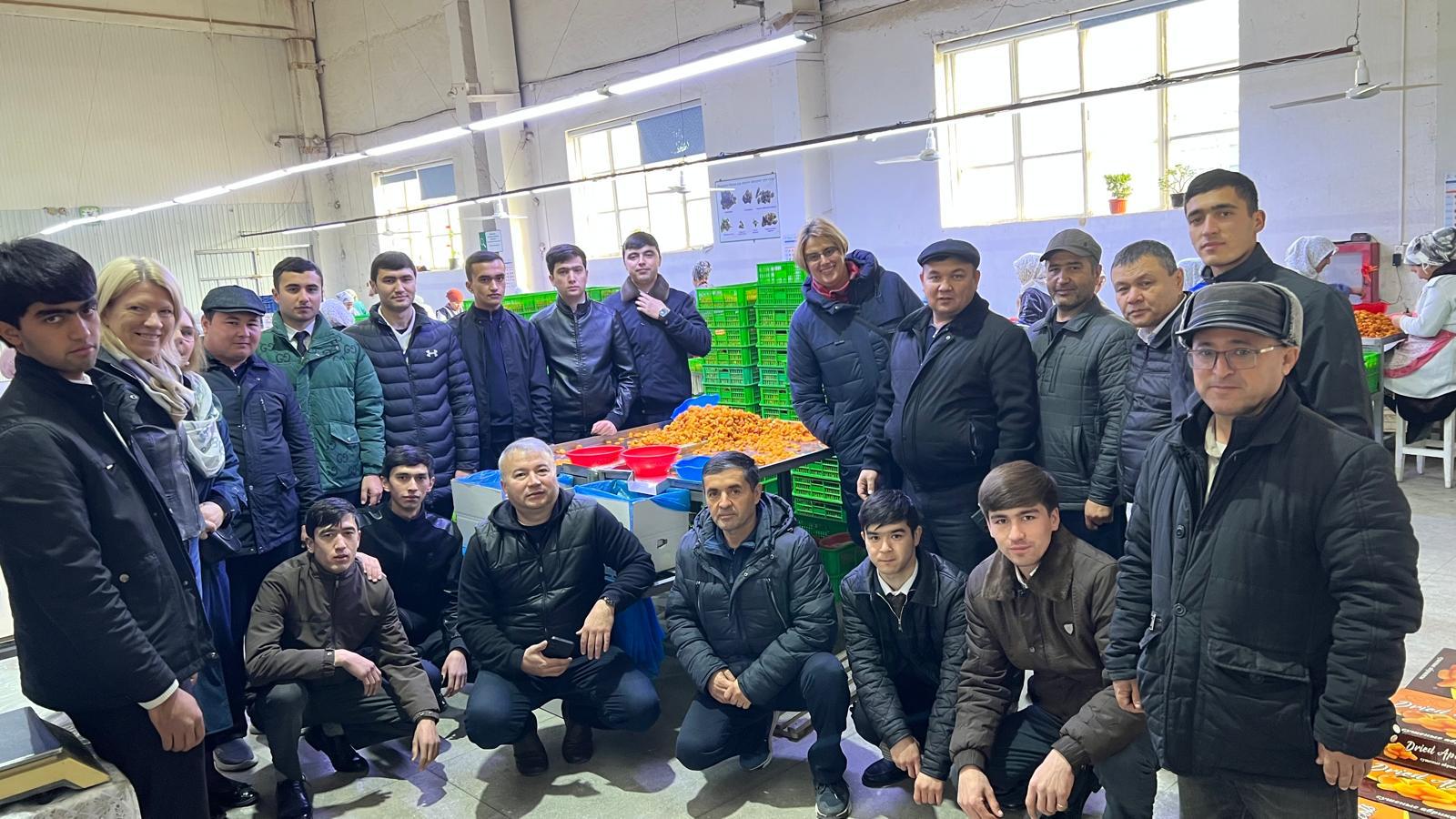
-
-
17.11.2025 Tajikistan Partners Promote the Open University at the International Exhibition-Fair "Tajikistan – 2025"
-
From 13 to 15 November 2025, the Technological University of Tajikistan organised and led the contact burse of the OFINU project at the International Universal Exhibition-Fair “Tajikistan – 2025”, held at the Dushanbe Expo Centre.
The exhibition, organised by the Chamber of Commerce and Industry of the Republic of Tajikistan with the support of the Government of the Republic of Tajikistan, brought together more than 60 companies from Tajikistan and abroad, including participants from Uzbekistan, Iran, Pakistan, China, India, and Saudi Arabia. In total, around 1200 visitors attended the event.
The Technological University of Tajikistan took a leading role in organising the event, aimed at promoting the Open Food Innovation University. The university worked in close cooperation with the Erasmus+ National Office in Tajikistan and associated partners: the Association of Entrepreneurs of Khatlon and CJSC “Shiri Dushanbe.”
During the three-day exhibition, representatives of the university actively engaged with visitors, presenting the Open University study format and explaining its benefits for food industry professionals and potential external learners. The TUT staff provided detailed information on study opportunities, admission procedures, and the advantages of flexible, industry-oriented education. Group presentations and individual consultations with entrepreneurs and food producers were organised to explore cooperation opportunities and attract potential learners.
Particular emphasis was placed on the goal to strengthen collaboration between higher education institutions and the food industry, especially in the field of agricultural product processing, including milk, meat, fruits, vegetables, and cereals. Informational materials and a promotional video in the Tajik language were used to communicate the concept and benefits of the Open University approach.
The strong interest shown by entrepreneurs, exhibition participants, visitors, and media representatives confirms the relevance of the initiative. The event marked an important step towards promoting lifelong learning and fostering closer cooperation between academia and industry in Tajikistan.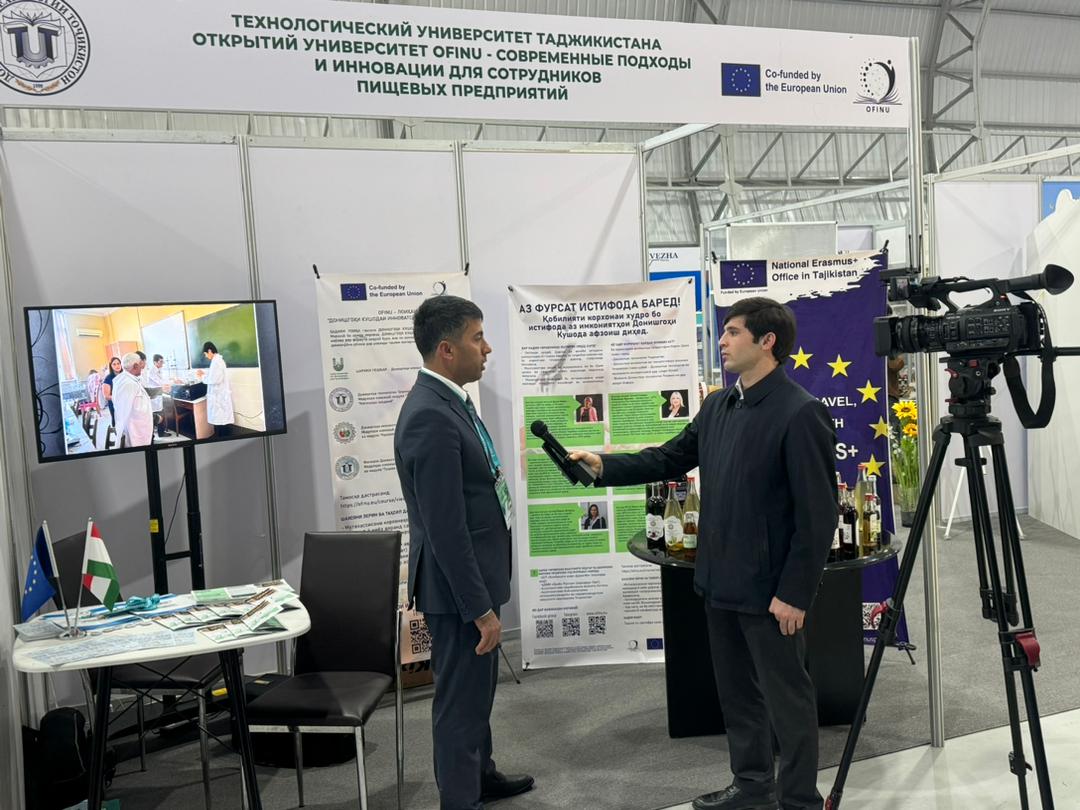
-
-
29.10.2025. OFINU’s Associated Partners Explore Latvia’s Experience in Open University, Food Technology, Innovation, and Digitalisation
-
From 26 to 31 October 2025, representatives of the OFINU associated partners - food industry companies from Uzbekistan and Tajikistan - visited Latvia within the project “Promoting Conformity and Access to Education and Knowledge for the Development of Uzbekistan and Tajikistan's Food Sector.”
The project was developed by the Lifelong Education Centre of the Latvia University of Life Sciences and Technologies to showcase the benefits of open university approaches and foster cooperation between academia and industry. It was funded by the Ministry of Foreign Affairs of the Republic of Latvia within the Development Cooperation Grant Programme.
Participants of the study visit included food industry companies and organisations such as LLC “Agromir”, LLC “Maroqand Meva Sabzavot”, and LLC “Navigul” (Uzbekistan), as well as the Association of Entrepreneurs of Khatlon, the International Association of Producers and Exporters of Agriproducts of Tajikistan, CJSC “Shiri Dushanbe”, and LLC “Oriyon Rustam” (Tajikistan).
During the visit, participants explored models of science-business collaboration, learned about advanced food processing technologies, and gained insight into innovation development practices. They worked alongside researchers at the LBTU Food Institute and the Technology and Knowledge Transfer Centre, visited the Institute of Horticulture, and participated in a hackathon on digitalisation solutions for the food sector organised by the Latvian Information Technologies Cluster. Study visits to food enterprises “Puratos”, “Tukuma piens”, “Jaunpils piens”, “Jelgavas gaļas kombināts”, and “Felici”, as well as visits to the Pure Research Centre and the cooperative “Augļu nams” were organised. Particular attention was given to food innovation, food safety, sensory evaluation, packaging technologies, and the application of digital solutions. Practical workshops were conducted by researchers and academic staff of the LBTU Food Institute.
As a result of the visit, participating companies gained valuable knowledge and inspiration for developing innovative products and technologies, as well as a stronger understanding of the benefits of the Open University study format. Some of the acquired knowledge has already been put into practice. For example, the company “Golden Fruit,” a member of the International Association of Producers and Exporters of Agriproducts of Tajikistan, has launched the production of rye bread.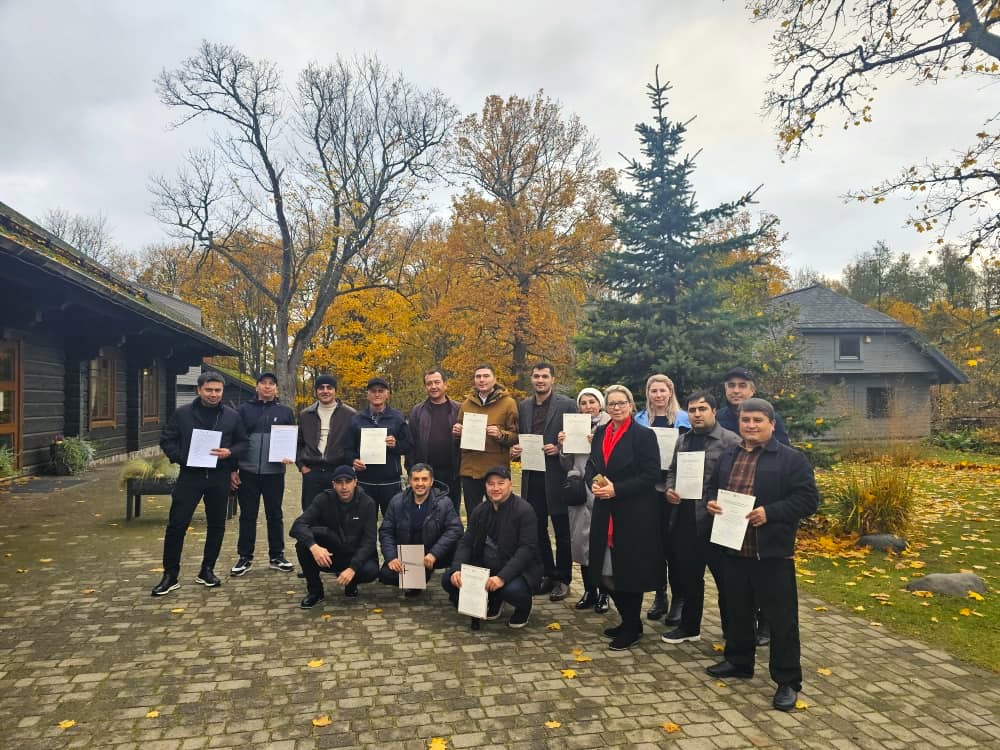
-
-
20.10.2025. The piloting of the Open University study format and the newly developed study modules has started and is ongoing in the University of Innovation and Digital Technologies of Tajikistan (P5 KITIM)
-
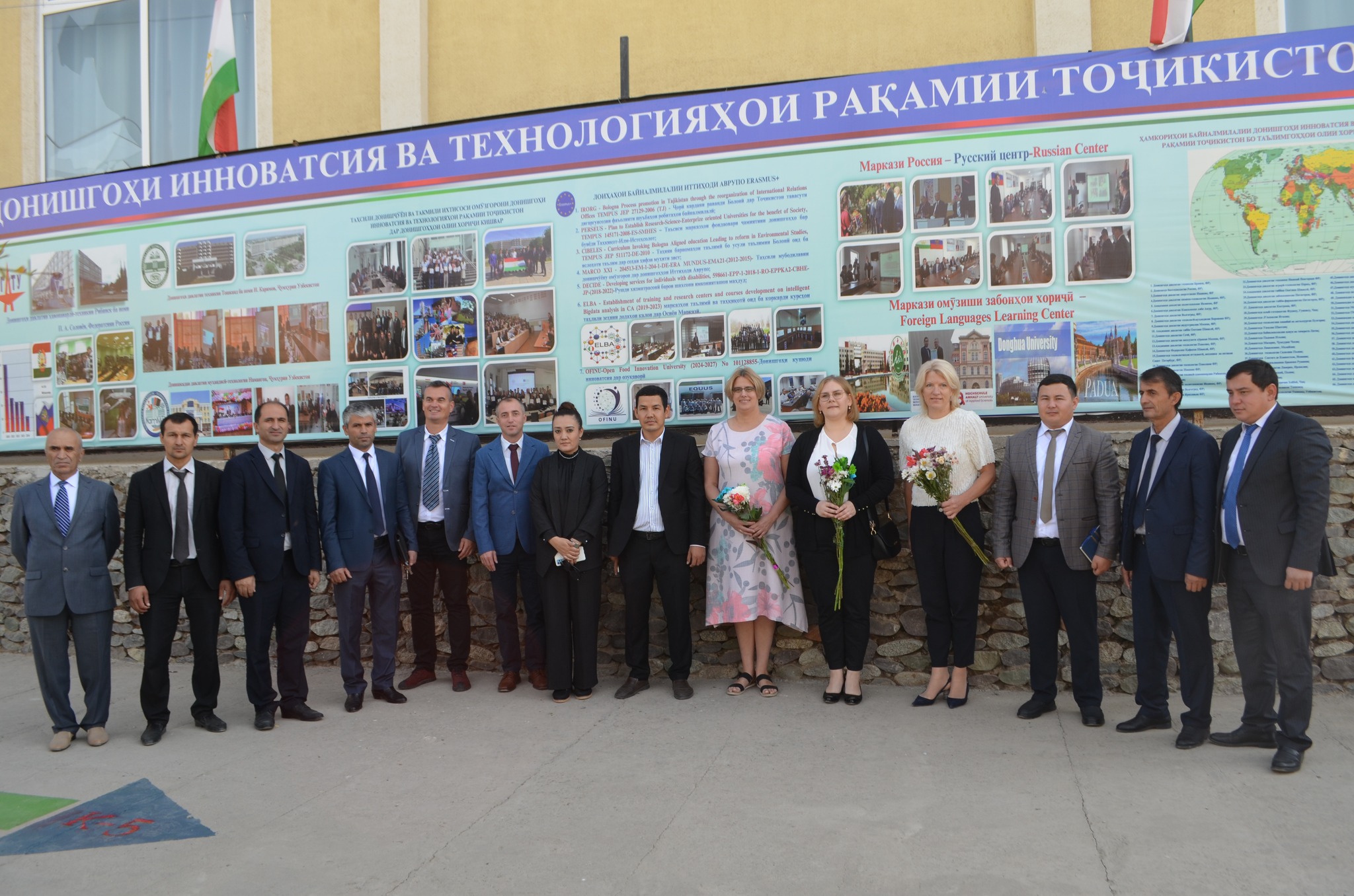
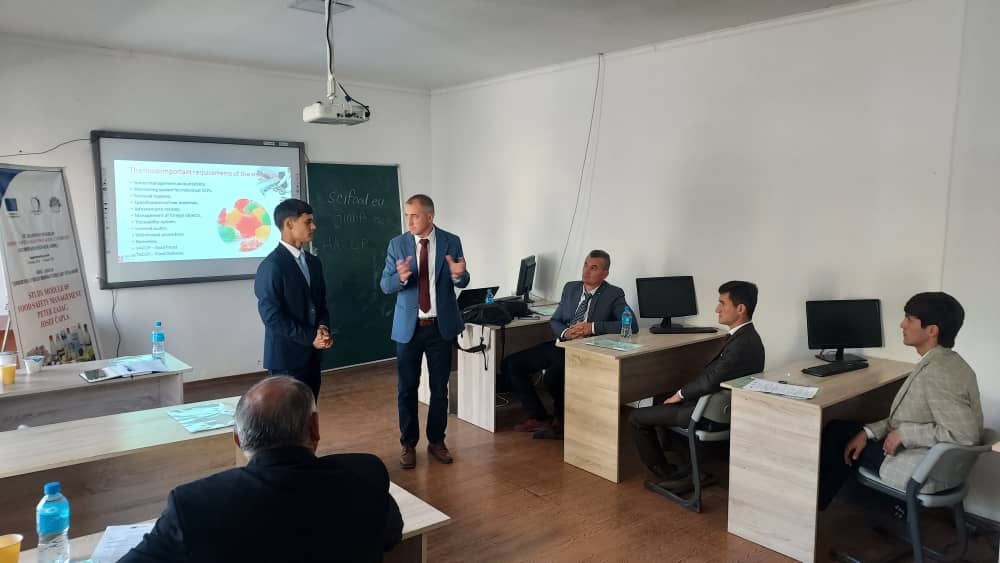
In October 2025, the piloting of the Open University study format and the newly developed study modules was launched at the University of Innovation and Digital Technologies of Tajikistan. Two study modules are being piloted — “Fruit and Vegetable Processing Technologies” and “Food Safety Management.”
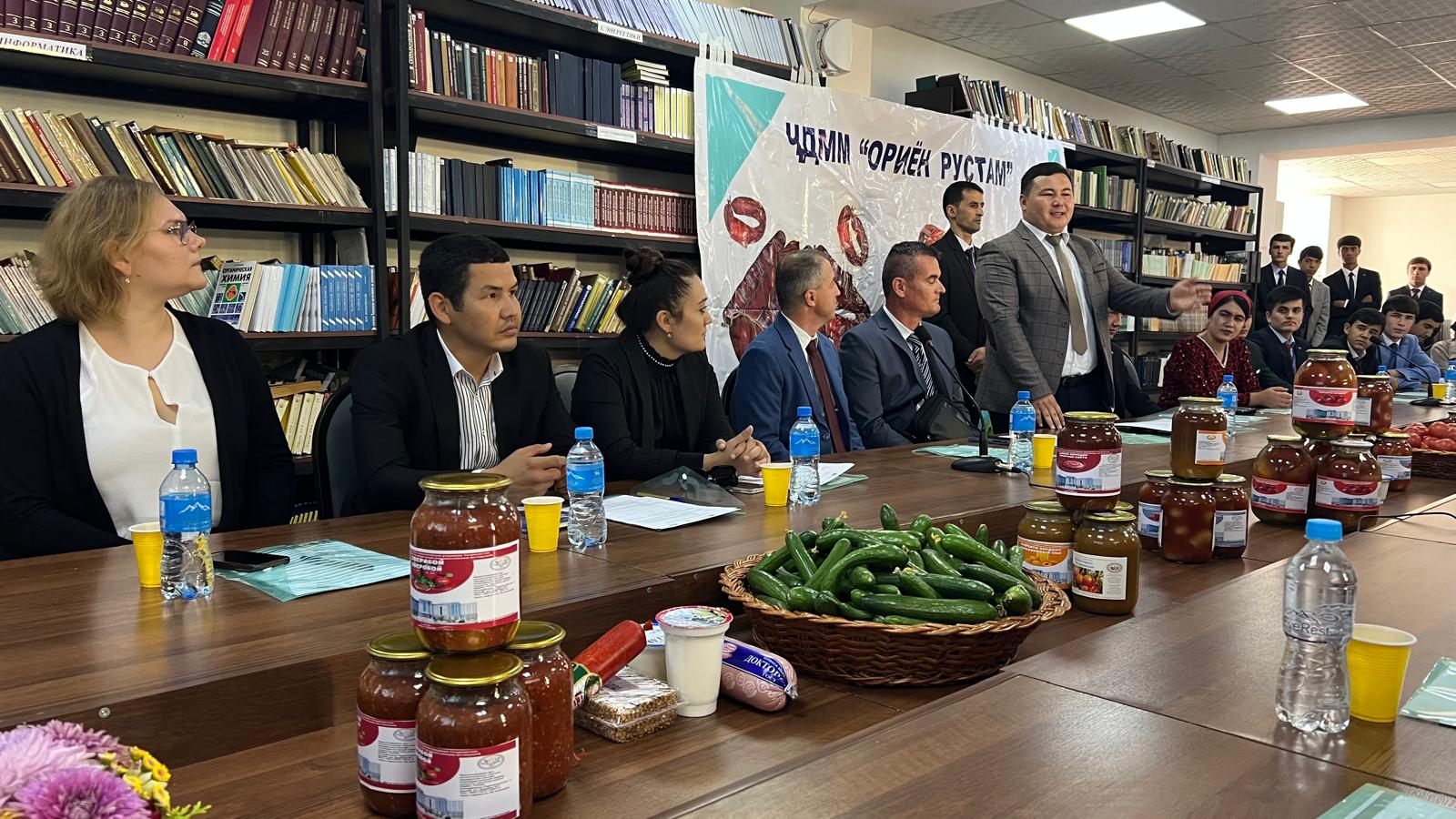
From October 13 to 17, academic staff from the Latvia University of Life Sciences and Technologies and the Slovak University of Agriculture in Nitra are participating in the piloting process. Dr. Dace Klava, Dr. Evita Straumīte, and Dr. Liene Ozola supported the local partner’s academic staff in the delivery of lectures and conducting laboratory sessions related to fruit and vegetable processing technologies. Ph.D. Peter Zajac and Ph.D. Jozef Čapla were sharing their expertise on food safety management. A visit to a meat processing enterprise Oriyon Rustam, the associated partner of the OFINU project, was organized as part of the piloting activities. Academic staff from the other project’s partner universities were taking part in the activities as well.
Students, employees of food industry companies, and academic staff from other universities involved in the OFINU project are participating in the piloting. The validation of the new study format, course content, and teaching methods represents an important step towards introducing innovative teaching approaches in Tajikistan.
The validation of the new study format, course content, and teaching methods marks an important step towards the introduction of new teaching approaches in Tajikistan.
-
-
20.10.2025. The piloting of the Open University study format and the newly developed study modules has started and is ongoing in the Technological University of Tajikistan (P4 TUT)
-
The piloting of the Open University study format and the newly developed study modules has been underway at the Technological University of Tajikistan since September 2025. Two study modules are being piloted: “Milk Processing Technology” and “Academic Writing.”
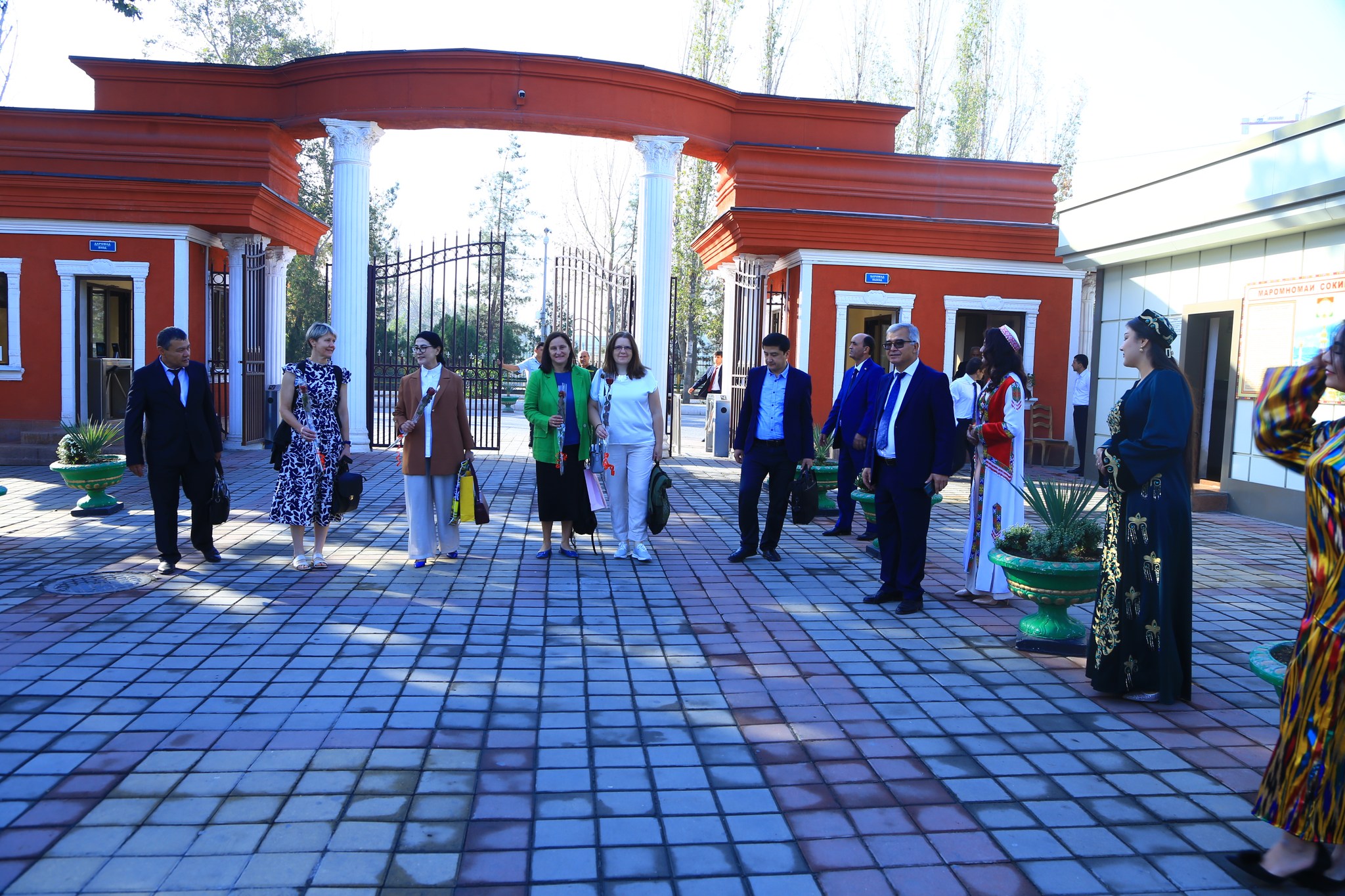
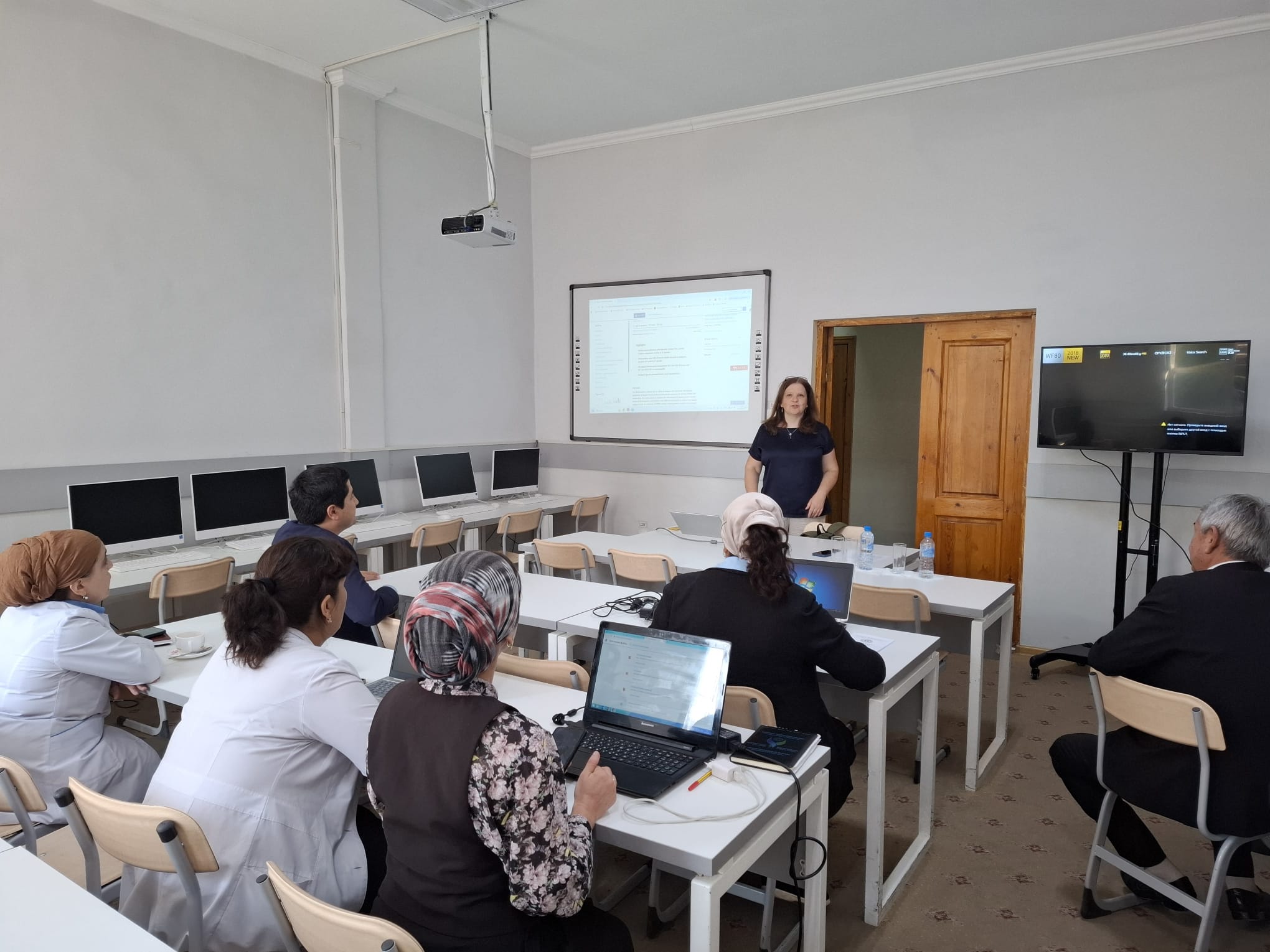
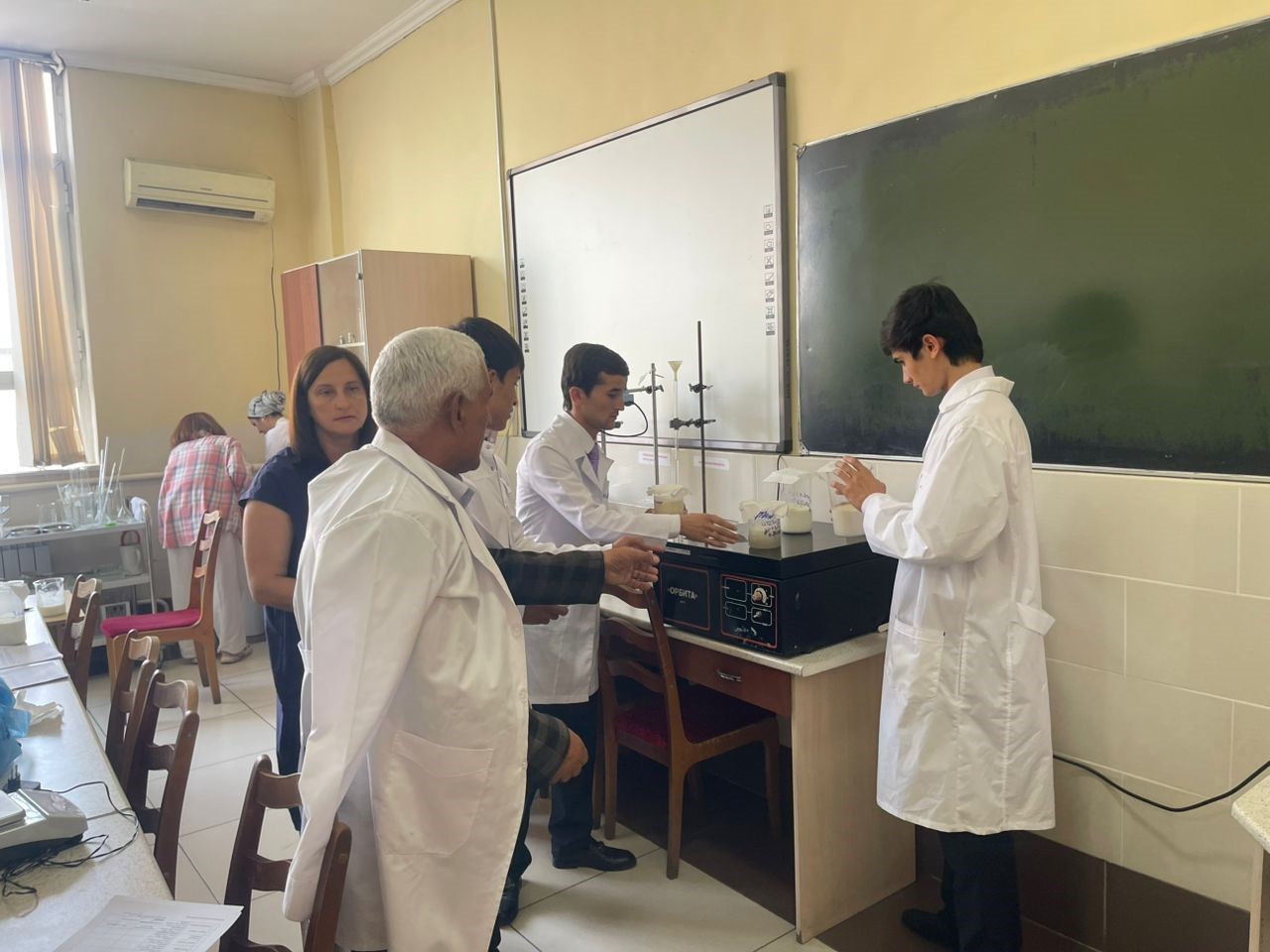
From October 11 to 17, academic staff from the Faculty of Agriculture and Food Technology at the Latvia University of Life Sciences and Technologies participated in the piloting process. Assoc. Prof. Jelena Zagorska and Assoc. Prof. Ilze Gramatina were delivering lectures and conducting laboratory sessions related to milk processing technology. The newly acquired laboratory equipment was successfully put into operation. Tenured Professor Zanda Kruma was sharing her expertise and experience in academic writing. Employees of the food industry company “Kombinati Shiri Dushanbe”, the associated partner of the OFINU project, are studying alongside the students. The piloting group visited the company’s production site. Academic staff from the other project’s partner universities were taking part in the activities as well.
The piloting at the Technological University of Tajikistan will continue until the end of 2025. Following the piloting phase, the alignment of the new study format, course content, and teaching methods with the needs of food industry enterprises in the partner countries will be evaluated.
-
-
15.10.2025. The piloting of the Open University study format and the newly developed study modules has started and is ongoing in the Samarkand Agro-Innovations and Research University (P2 SAMARU)
-
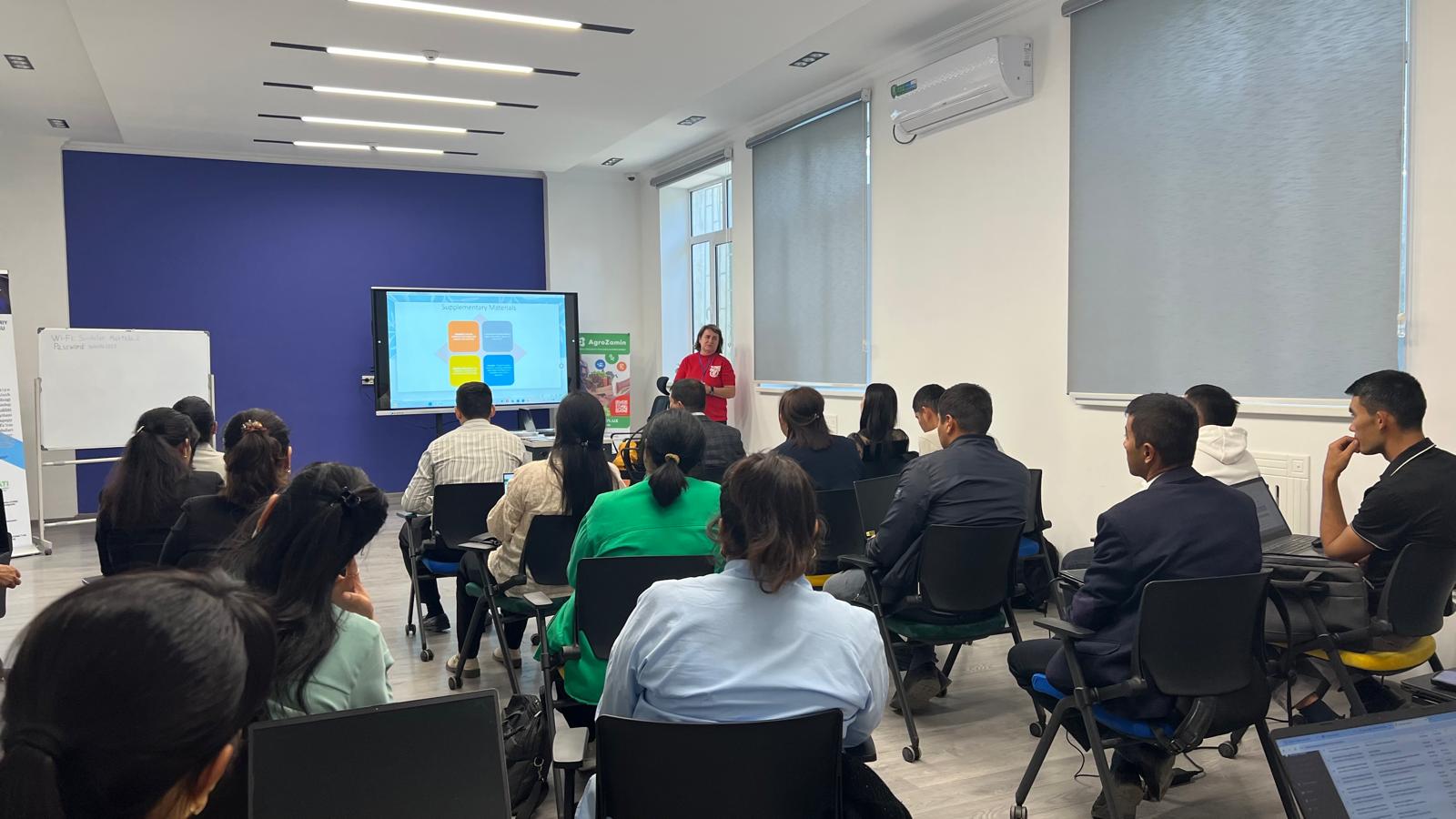
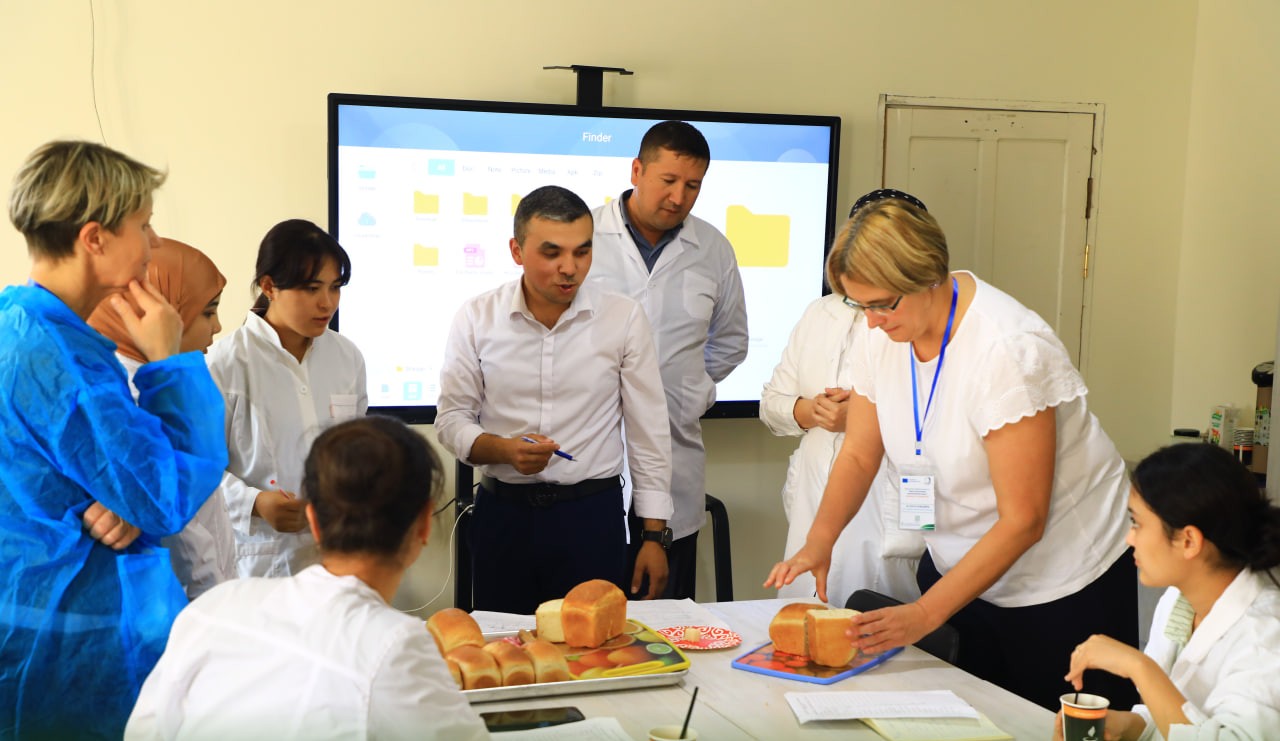
The piloting of the Open University study format and the newly developed study modules “Cereal Technology” and “Academic Writing” began in September 2025 and is currently being implemented at the Samarkand Agro-Innovations and Research University (P2 SAMARU) in Samarkand, Uzbekistan.
The main goal of the piloting is to identify strengths and address weaknesses in order to further develop the new study format, course content, and teaching methods, ensuring their relevance to the development needs of enterprises in Uzbekistan’s food sector.
From October 7 to 12, academic staff from the Latvia University of Life Sciences and Technologies (Dr. Dace Klava, Dr. Evita Straumite, Dr. Ilze Gramatina, and Tenure Prof. Zanda Kruma) and the Slovak University of Agriculture in Nitra (Prof. Miroslava Kacaniova and Dr. Natalia Cmikova) assisted and supported the local partner in the piloting process — delivering lectures and conducting practical and laboratory sessions. Participants of the piloting practising the use of the new equipment acquired within the project.
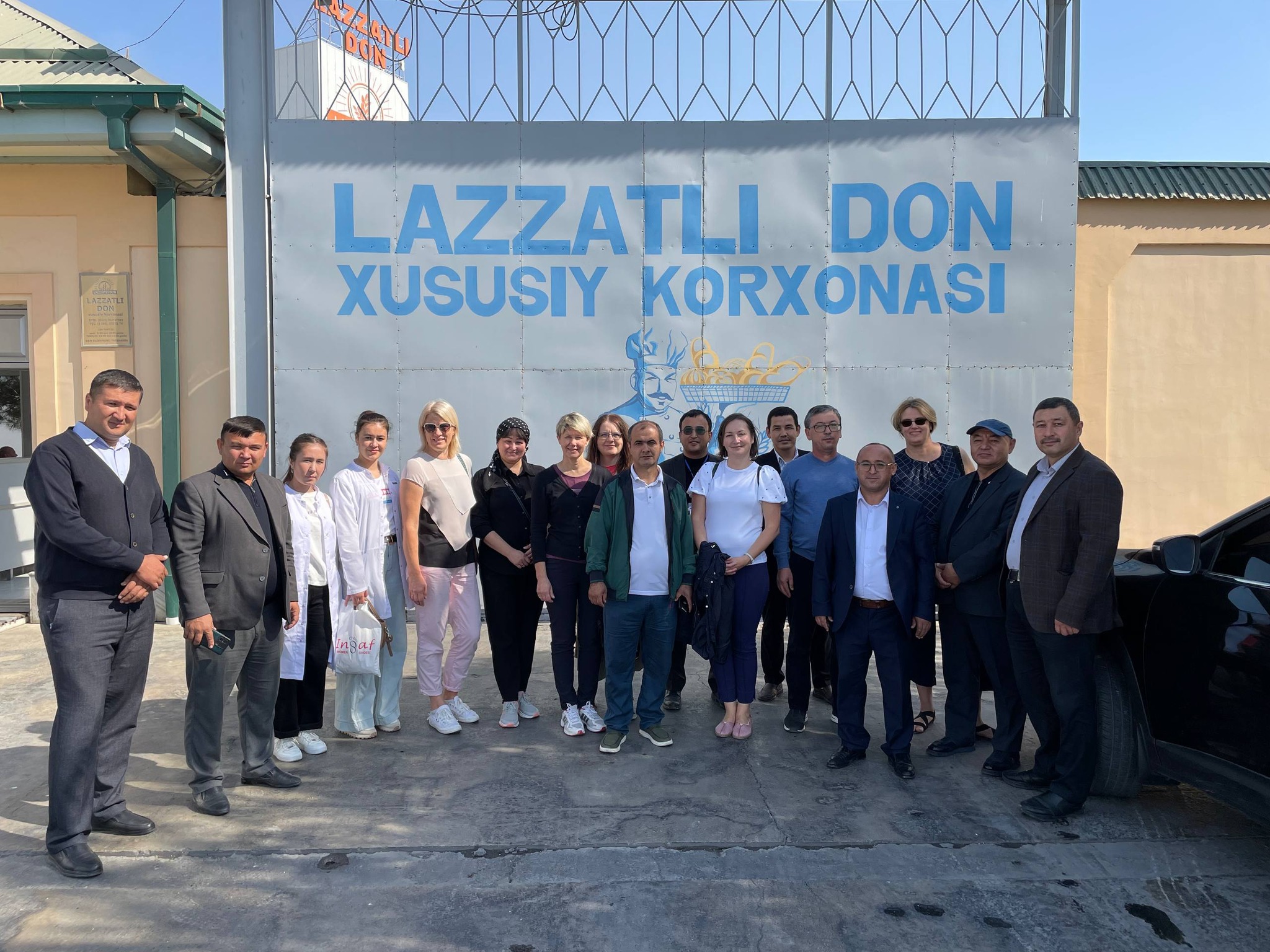
Students, food industry professionals, and academic staff from partner universities are participating in the piloting of both modules. A visit to a cereal-based food processing enterprise Lazzatli Don was organized as part of the piloting activities. Academic staff from other OFINU partner universities in Uzbekistan and Tajikistan took part with the aim of acquiring knowledge and skills and adopting best practices delivered by their European colleagues. The piloting will continue until April 2026.
-
-
10.09.2025 Strengthening Technical Capacity: New Equipment Delivered to Support Innovative Learning at P4 TUT, P5 UIDT, and P6 BTUTI
-
The availability of modern laboratory equipment is a key prerequisite for preparing competitive and knowledgeable specialists for the food sector. By providing students with access to up-to-date technologies and hands-on training opportunities, higher education institutions can significantly enhance the quality of education and ensure alignment with current industry standards. Within the OFINU project, particular attention has therefore been given to strengthening the technical capacity of partner universities.
To support this objective, a range of specialised laboratory equipment has been acquired for Tajikistan’s partner institutions. The Technological University of Tajikistan (P4) has been equipped with a texture analyser and a viscometer. The University of Innovation and Digital Technologies of Tajikistan (P5) has received a digital refractometer, three electronic analytical balances, an infrared moisture analyser, a vacuum packer, and a pulse heat sealer with cutter. Meanwhile, the Branch of the Technological University of Tajikistan in Isfara (P6) has been supplied with a digital refractometer, a centrifuge, and six electronic analytical balances.
The newly acquired equipment will substantially strengthen the practical training capacity of these institutions, enabling both students and academic staff to work with modern technologies and develop skills that meet the expectations of the food industry. The equipment will be actively used during the piloting of the Open University study format and the newly developed study modules, contributing to a more practice-oriented and innovation-driven learning environment.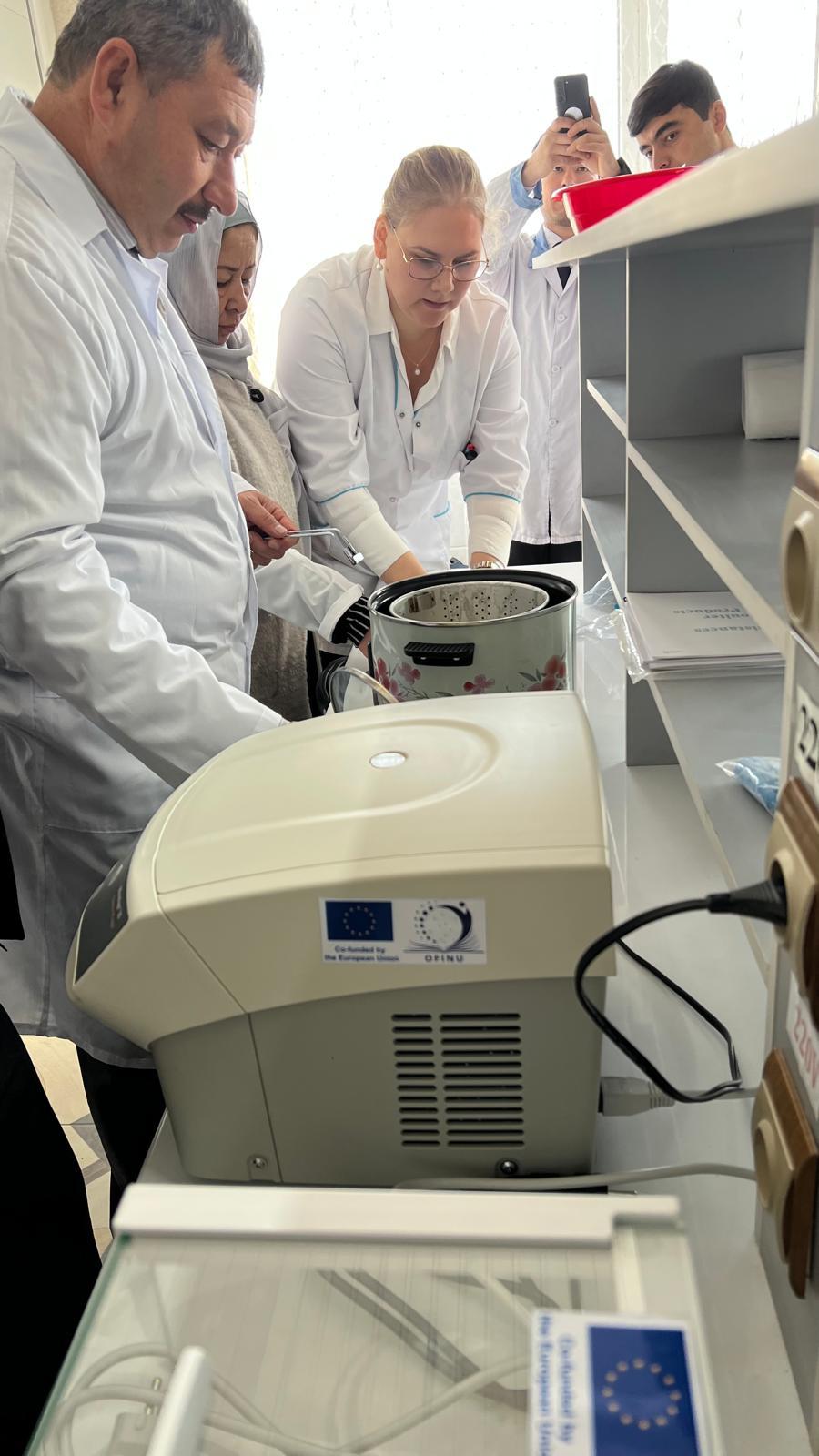
-
-
10.09.2025. Strengthening technical capacity: new equipment acquired to support innovative learning in P2 SAMARU and P3 AIAA
-
Partnerships for transformation in higher education are complex and innovative capacity-building initiatives that focus on the transfer of experience, competencies, and good practices among partner institutions. One of the essential components of these efforts is strengthening the technical base of the participating Central Asia higher education institutions.
To support this goal, the set of studies related laboratory equipment has been acquired for both participating Uzbekistan’s partner universities:
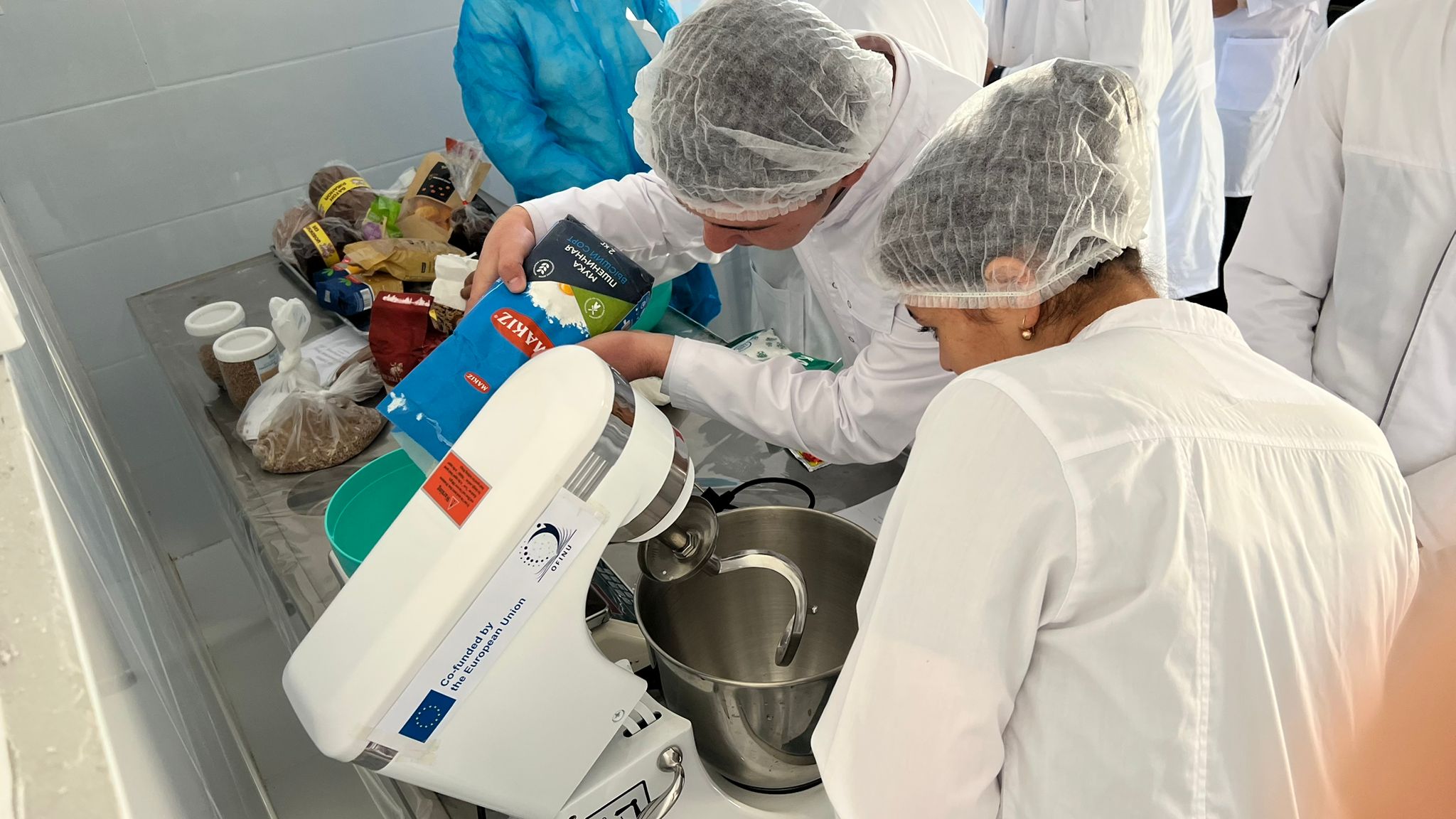
P2 Samarkand Agro-Innovations and Research University (SAMARU) has received a planetary mixer (kitchen machine), an electric convection oven with a one-tray proofer, an 18-tray single-door proofer, and a digital kitchen scale — all essential for modern bread and cereal technology training.
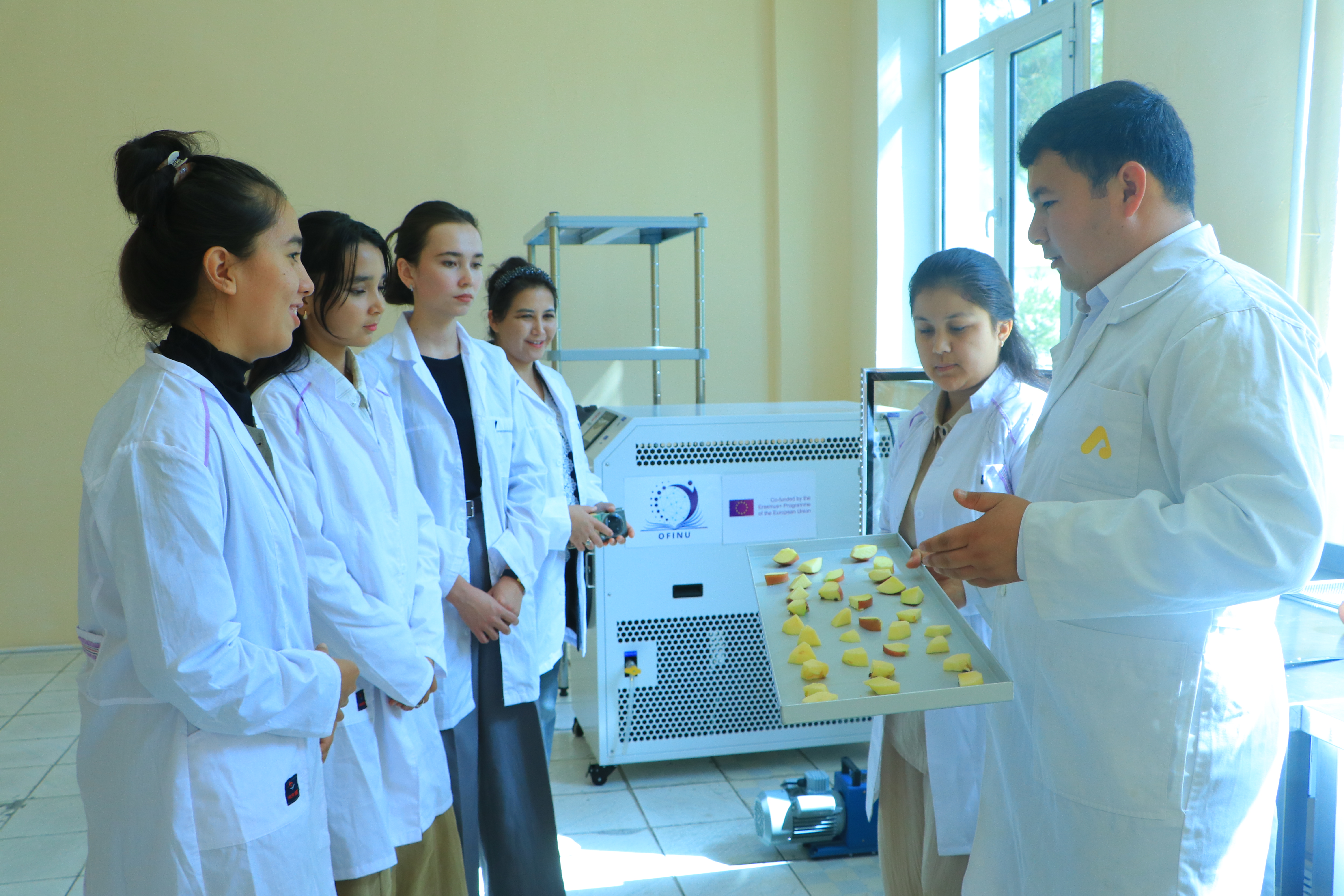
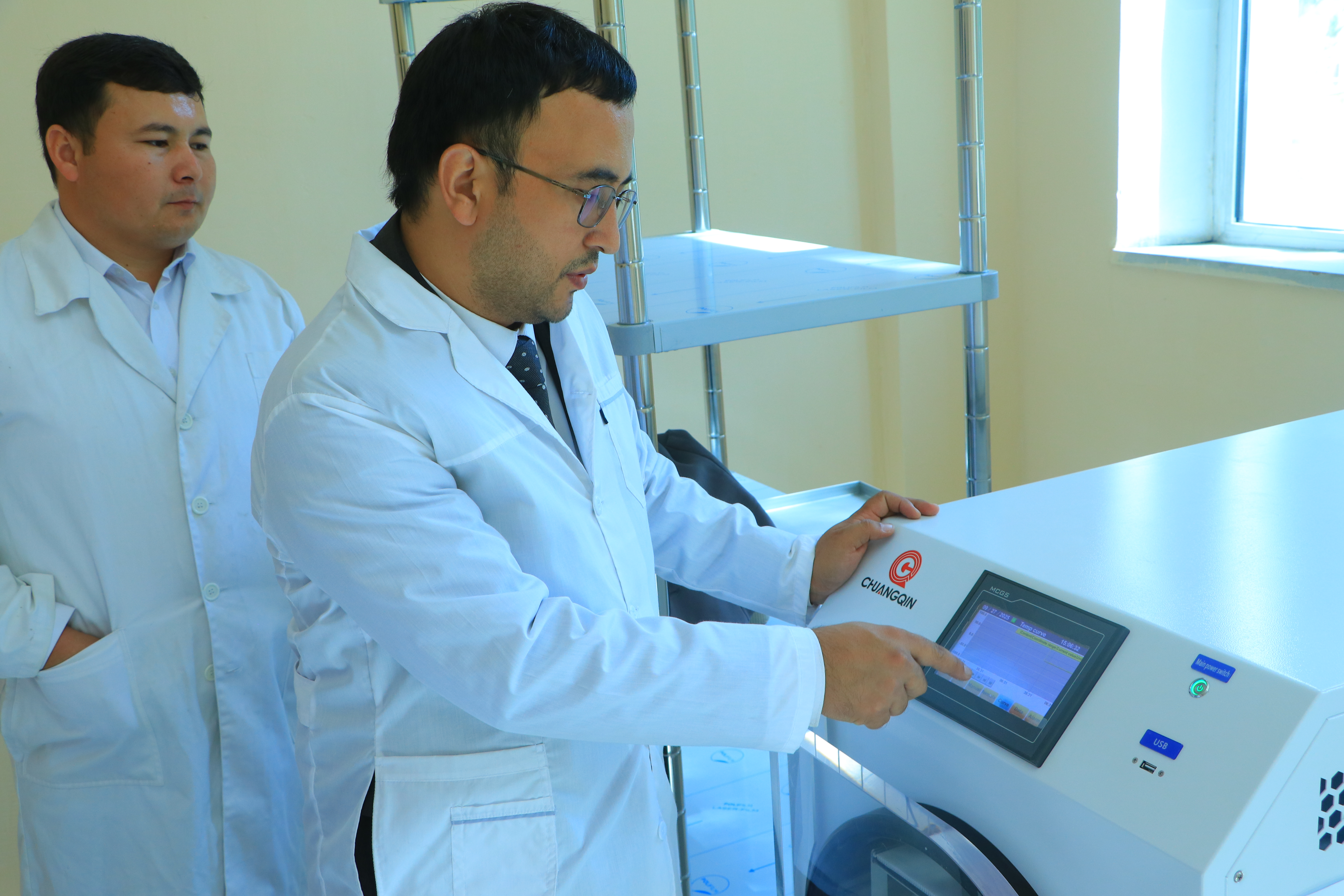
P3 Andijan Institute of Agriculture and Agrotechnologies (AIAA) has been equipped with a freeze dryer, a 12-tray commercial dehydrator, and an assembled stainless steel pan trolley, supporting advanced learning and experimentation in fruit and vegetable processing.
The newly acquired equipment will significantly enhance the practical training capacity of the partner institutions, enabling students and academic staff to work with modern technologies and align study processes with the current needs of the food industry. All acquired equipment will be put in use during piloting of the Open University and new study modules.
-
-
-
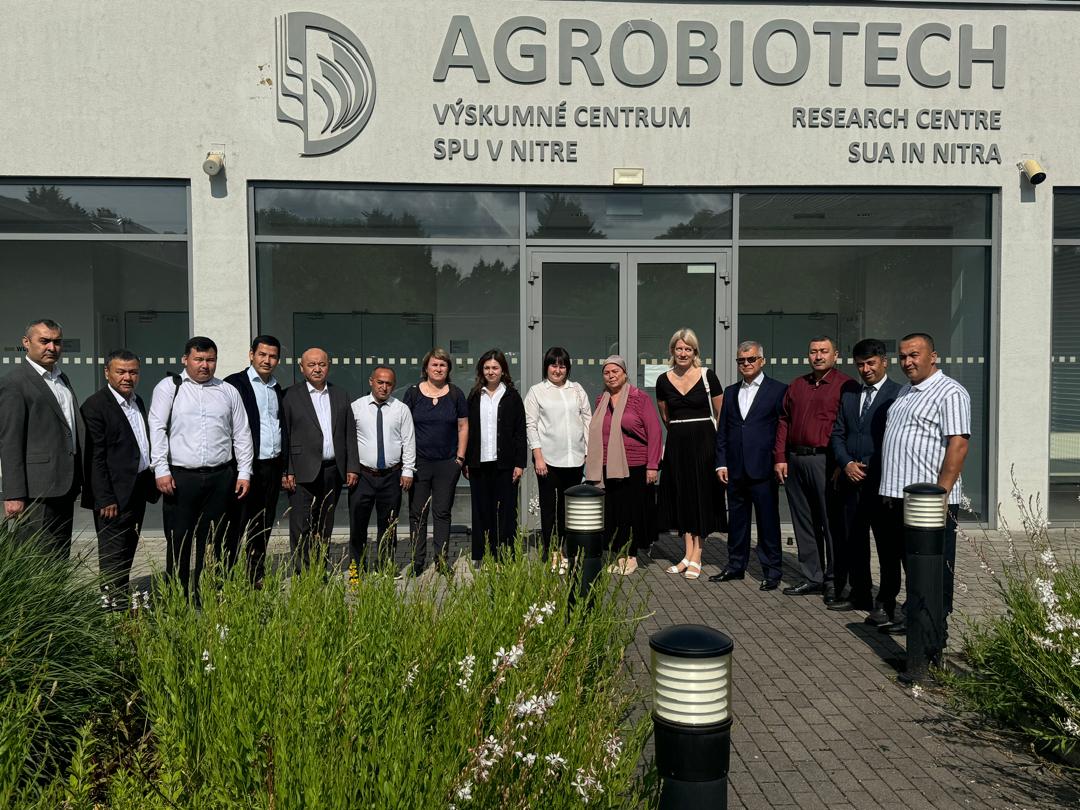
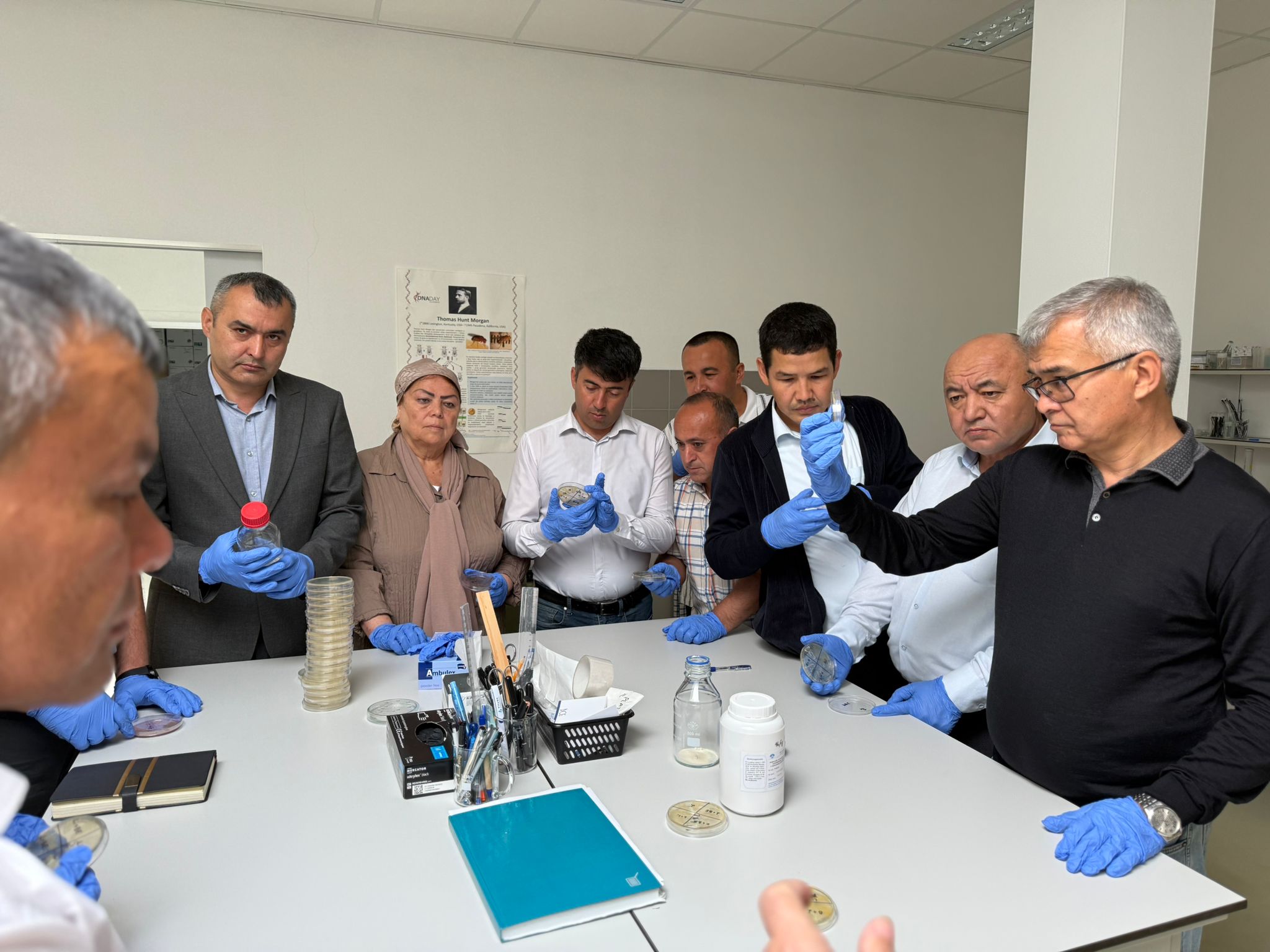
A study visit of the academic staff to the Slovak Agricultural University in Nitra was held from 9 to 13 June 2025. It was organised within the framework of the EU Erasmus+ Programme, project “Open Innovative University of Food” (OFINU). Nine teachers from the Tajikistan’s higher education institutions, seven from Uzbekistan’s universities and the OFINU content coordinator from the Latvia University of Life Sciences and Technologies took part in the study visit.
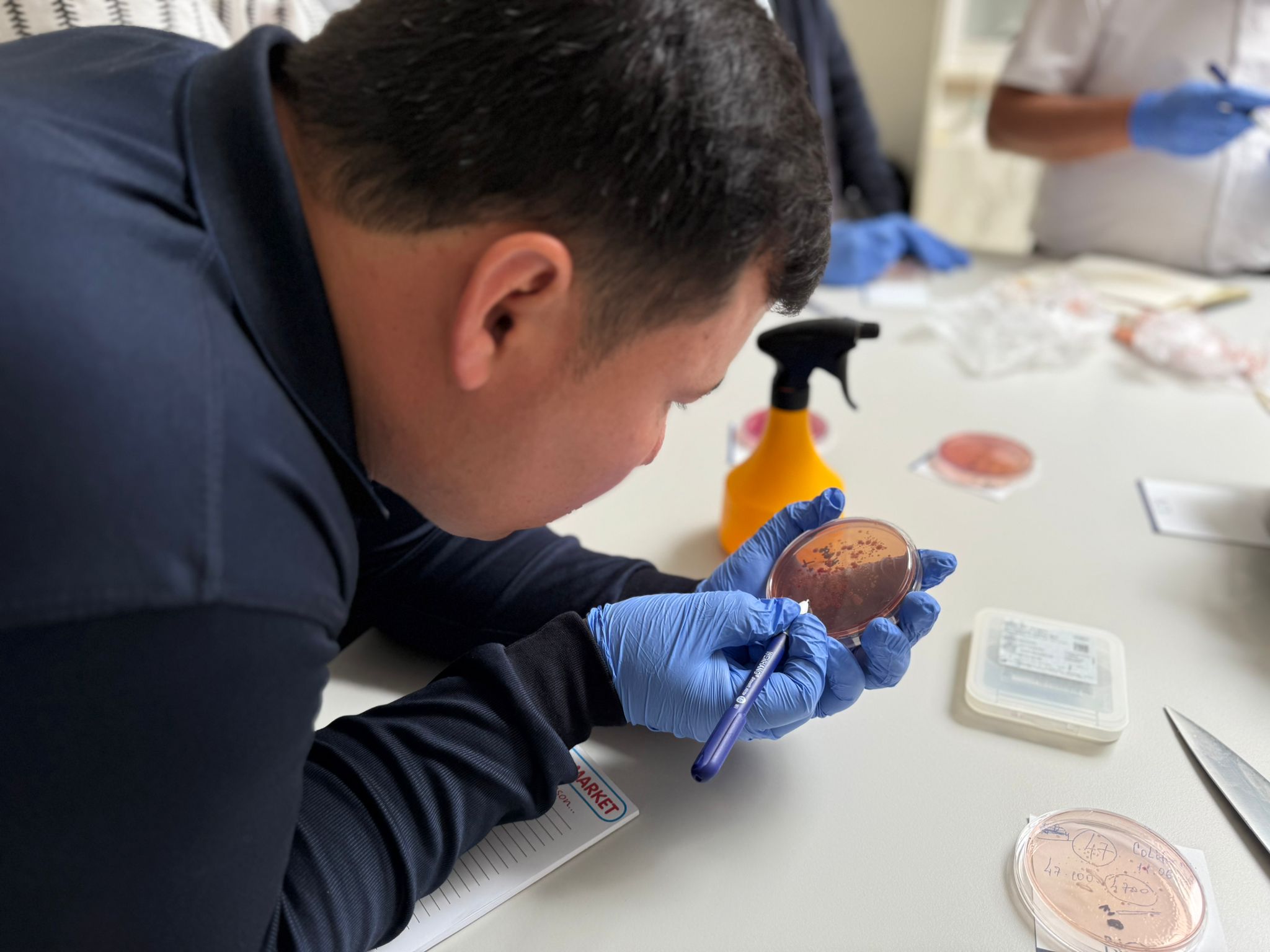
As part of the visit, lectures, practical and experimental classes were held on modules addressing the technological process of fruits and vegetables processing, development of new food products and writing scientific articles.
On the first day participants got acquainted with research and teaching laboratories of the Slovak University of Agriculture in Nitra. The introduction was conducted by Prof. Eng. Miroslava Kačaniova. Participants visited full spectrum of laboratories: microbiological, chemical, physicochemical, agrotechnological, technological. Modern equipment, such as mass spectroscopy, IVOS II, ALFA, IRIS, gas-liquid chromatography, electrophoretic analyzer was presented and its functionality demonstrated.
Training sessions on food safety and product quality management were provided by the Professor Eva Ivanišová. The same day, laboratory tests on bakery technology were held. Each participant cooked bakery products, examined the properties of grain, flour, dough and the finished product itself.
On 10 June, Simona Kunová held a training session on product safety management. Important and necessary information on food safety and hygiene in the food industry was provided. At the end of each topic tests were presented, participants answered them based on the gained knowledge, and answers were analyzed. The session was organised by applying the latest teaching and outcomes verification methodologies.
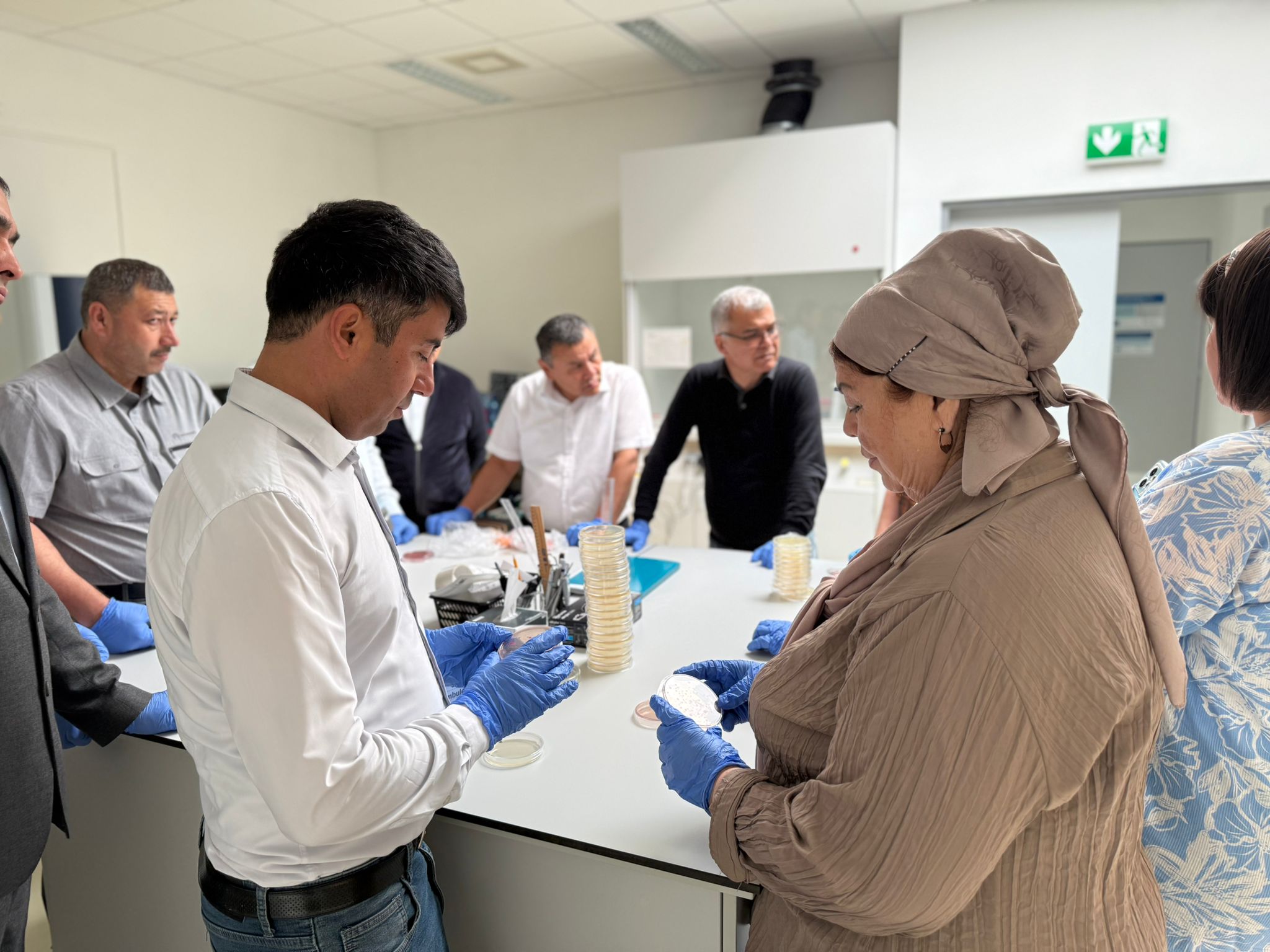
On 11 June experiments were carried out in the microbiology laboratory to practice determination of the number and type of microorganisms in two food products - apricots and carrots by using the latest research methods and knowledge. The same day Prof. Eng. Miroslava Kačaniova led the training session on writing scientific articles, paying special attention to selection of proper citations. Natalia Čmikova demonstrated how to prepare effective research presentation and to find the latest knowledge sources in the Internet.
On 12 June Simona Kunová provided training on the development of a sanitary and hygienic programme, followed by practical classes.
On the last day the group visited fruit and vegetable processing enterprises, which provided knowledge on novel technologies, production of premium and frozen products.
The study visit is an important contribution to strengthening the operational capacity of academic staff: it enabled participants to acquire new knowledge, to learn new working methods necessary for work within an Open University, to carry out a comparative assessment of the content and teaching approaches used in their country and institution with those of European universities, thereby providing incentives for improvements upon return at the home university.
The participants are very grateful to the team of Slovak University of Agriculture of Nitra, led by Prof. Miroslava Kačaniova, for their efforts in preparation and provision of the study visit, sharing their knowledge and expertise, thus supporting Central Asia higher education institutions to adopt new knowledge and introduce novel teaching forms and methods.
-
-
-
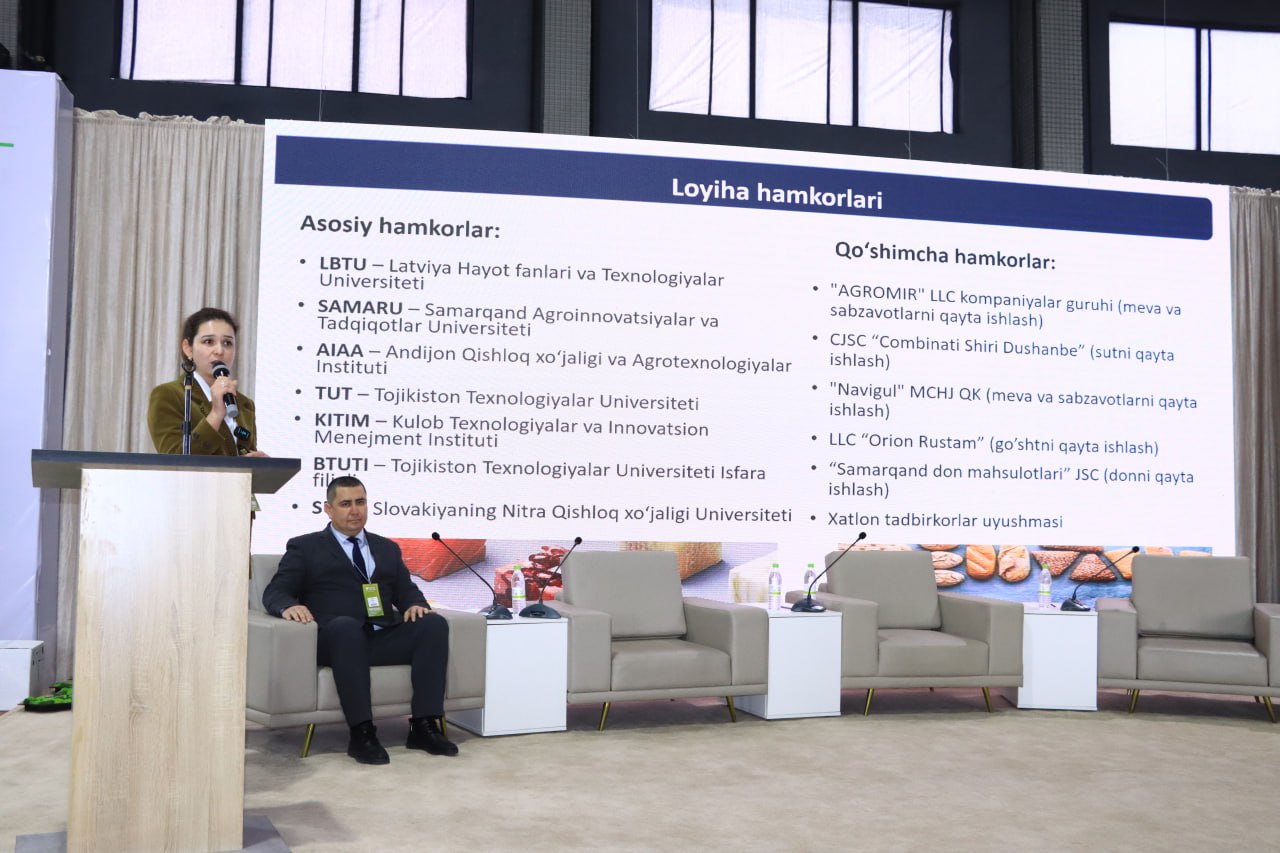
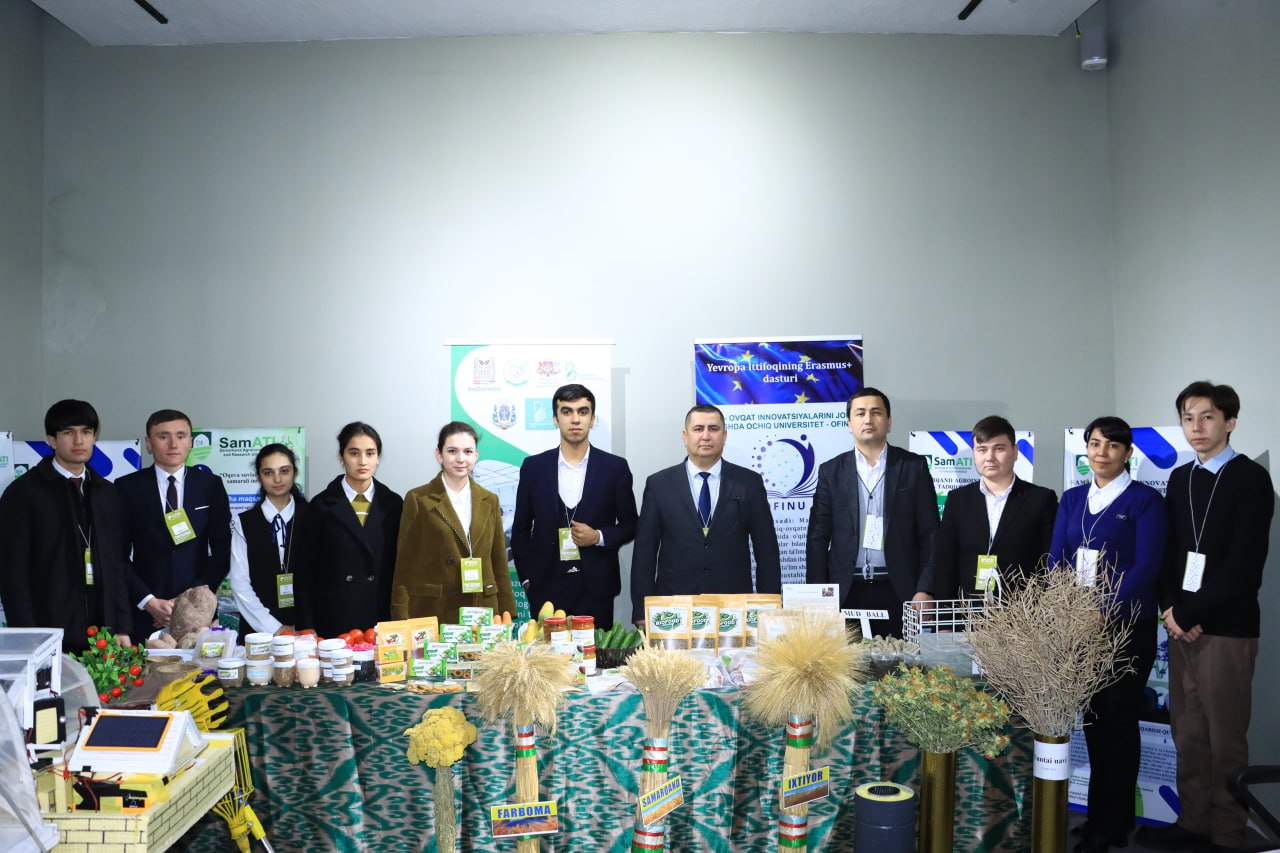
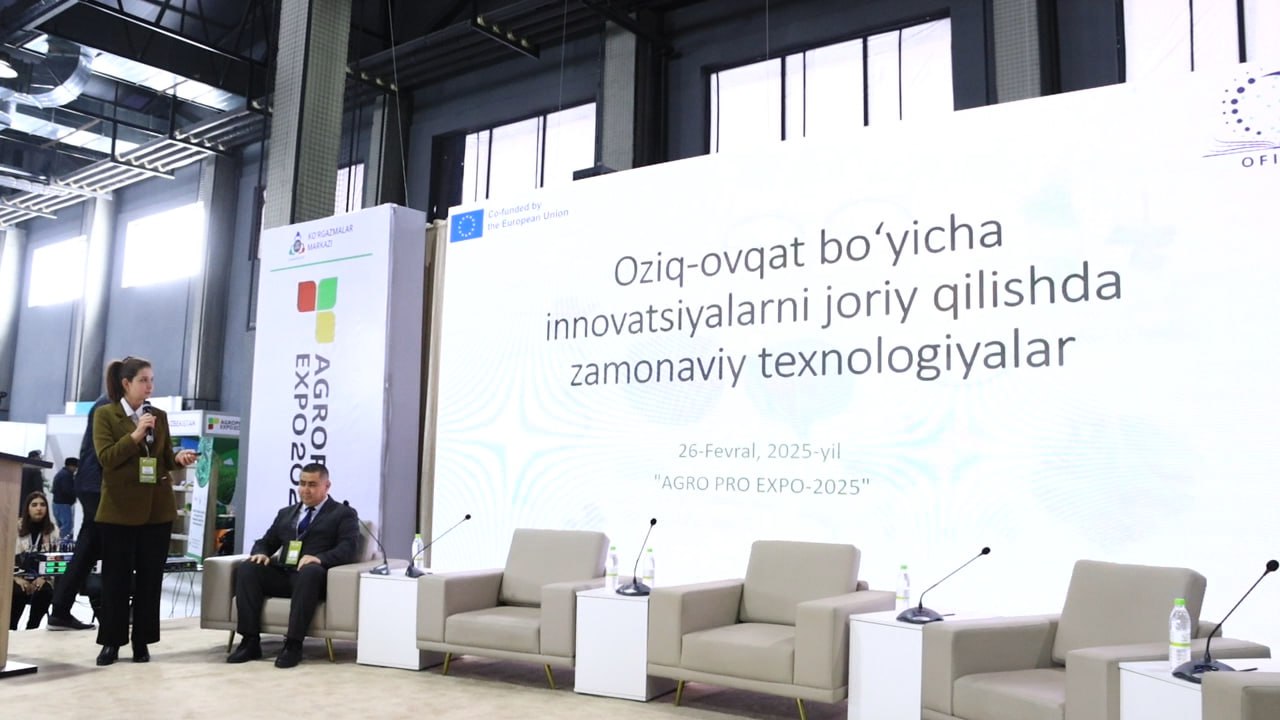
The Samarkand Agro-Innovations and Research University (P2 SAMARU) successfully organised a contact exchange event within the framework of the national business fair “AGRO PRO EXPO 2025”, held on 26 February 2025 in Samarkand, Uzbekistan.
The event brought together around 100 companies, including 27 representatives of the food industry, and attracted approximately 1000 visitors. This platform provided an excellent opportunity to present the Open University initiative to a wide audience of entrepreneurs, industry representatives, and potential learners.
During the fair, a presentation was delivered to introduce the Open University concept — explaining its goals, study opportunities, admission procedures, and the benefits it offers to external learners and professionals in the food sector. In addition to the public presentation, individual meetings were held with food producers to discuss cooperation opportunities and to attract potential students.
The contact exchange was actively supported by P2 SAMARU academic staff involved in the development of the Open University, as well as by current students, who shared their experiences and insights.
The event in Uzbekistan marked an important step in raising awareness of lifelong learning opportunities and building stronger links between academia and the food industry. By engaging directly with businesses, the partners successfully promoted the idea of flexible, industry-oriented education tailored to the evolving needs of the sector.
-
-
17.02.2025. Training of Central Asia partner universities academic staff in innovative teaching methods has been completed
-
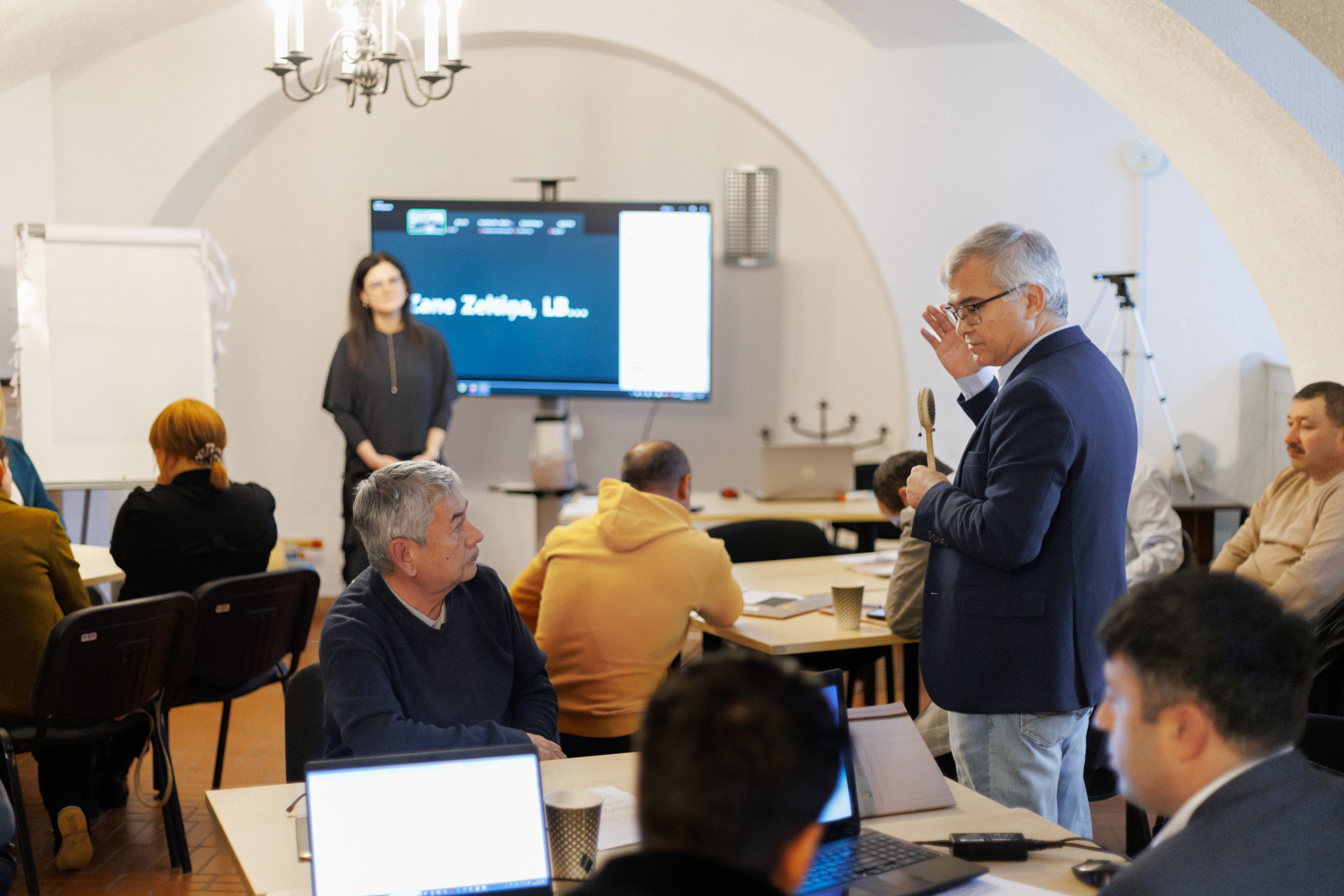
In order to ensure relevance of the teaching methods to the combined audience (non-experienced students and experienced practitioners from industry), Central Asia partner universities academic staff had training on innovative teaching methodologies.
Trainings were held in the time period 28 November 2024 to 6 February 2025 by using hybrid format – part of the training was done remotely, allowing to involve more than 50 teachers from five Central Asia partner universities, as well face-to-face training was provided, allowing participants to practice interactive methods.
Iluta Krumina, the experienced expert, presented and together with participants practiced diverse teaching methods, such as the Delphi method, blitz, "role-playing" and other. Other interactive teaching methods: case technologies, problem lectures, didactic games, brainstorming, interactive exercises using audio and video materials, round table discussions, professional games, teamwork methods were held in groups, thus allowing academic staff “to step into shoes of the learners”, what is significant to keep study process interesting and to achieve expected outputs and outcomes. As it was emphasised by the trainer, the use of the above-mentioned teaching methods develops in audience mutual assistance, tolerance, responsibility, as well as contributes to the formation of communicative and professional competence of teachers.
The trainees – academic staff - emphasised joyful and fruitful spirit of the training, created by the trainer. Enriched with broad knowledge and experience, temperament, sense of humour and courage it allowed to feel free expression and diversity of opinions, role of relationship in teaching and learning process, and impact of used methods on results.
Training was concluded with remote session on 6 February 2025, when knowledge, skills and lessons learned were discussed and participants had an opportunity to share their experience gained and vision on their application in practice. Acquired methods will be applied while provision studies within the open university, as well in other study processes.
The training visual impressions can be found in the section “Gallery” – 2024-2025 -Training - Innovative teaching methodologies.
-
-
20.01.2025. Study visit – thematic master class has been held in Latvia for the academic staff of Central Asia universities
-
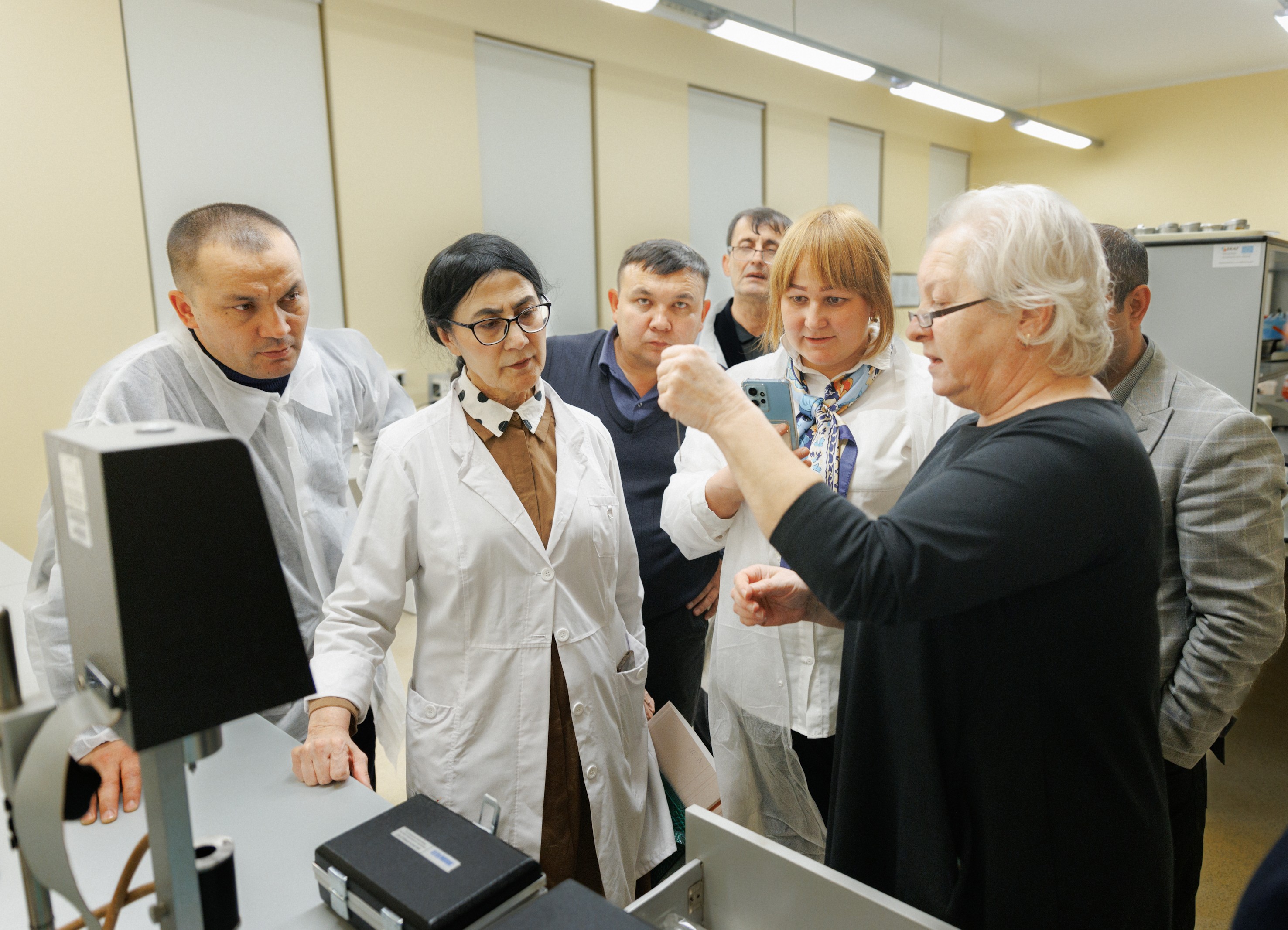
A study visit - thematic master class for the academic staff of Central Asia universities was held in Latvia in the time period 8-17 January 2025. 18 universities’ teachers from Tajikistan and Uzbekistan participated in the visit to enhance their expertise in the field of food technology and innovation, as well to acquire knowledge and skills to apply novel teaching methods necessary to organise studies within an open university.
Thematic master class included theoretical part, multidisciplinary practical and laboratory works, aimed to enhance skills on innovative food product development and food products’ quality evaluation. Thanks to the efforts of the LBTU content team - academic staff, led by Dace Klava, six study modules (out of total seven) were covered. During the workshop several novel food products were prepared, such as the production of a dietary "meat" cutlet without using meat, as well as the production of ice cream for pets (dogs) in a study laboratory. This created significant impression on the guests.
In order to increase impact of the study visit, participants had opportunity to visit thematically relevant food processing companies. Visited enterprises, responding by group of products to new modules, are: JSC “Tukuma piens” (dairy products), JSC “Ķekavas putnu fabrika” (meat products), JSC “CIDO grupa” (fruit and vegetable products) and JSC “Dobeles dzirnavnieks” (cereal-based products). Entrepreneurs shared also their knowledge and experience on development of new products, introduction innovation, measures aimed to ensure food safety in all steps of the food chain.
Besides the core activities of the study visit, face-to-face training sessions on teaching methodologies were organised. Iluta Krumina, the experienced expert, presented and together with participants practiced new teaching methods, such as the Delphi method, blitz, "role-playing" and other. Directions of the teaching method: perception, attention, "cave of memories", thinking, emotions were innovative for the most of participants.
The study visit was concluded with evaluation and analysis of the contents, process, and foreseen impact. Participants emphasised high qualification of the LBTU academic staff, well established, long lasting and efficiently functioning partnership with enterprises, good balance of theory, laboratory works and practice, involvement of the university in creation of real technologies, products, being transferred to the industry.
Upon return at home universities, participants will organise knowledge and experience dissemination events for other academic staff.
The study visit visual impressions can be found in the section “Gallery” - January 2025 Study visit LV.
-
-
-
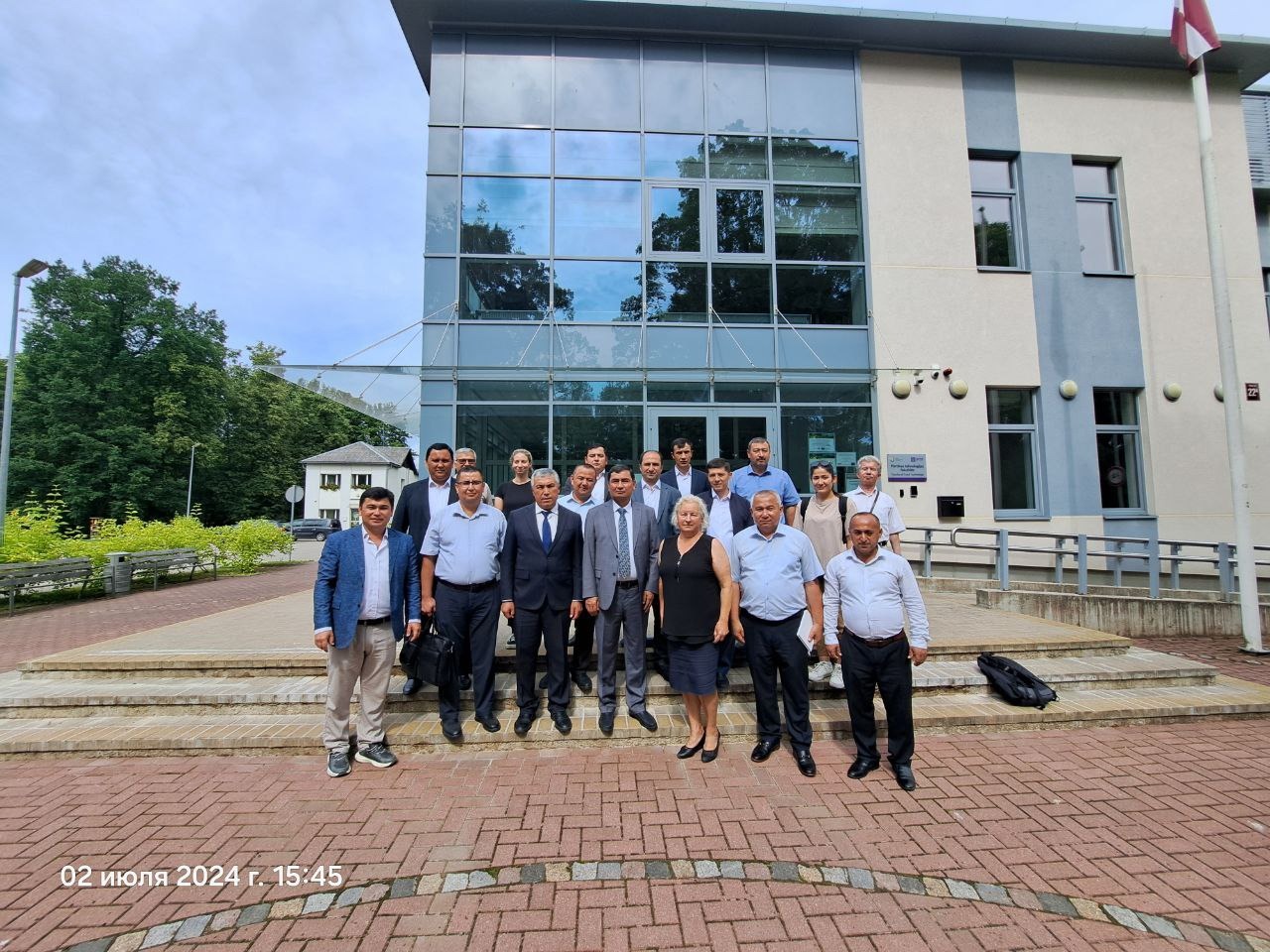
The study visit of representatives of Tajikistan’s and Uzbekistan’s partner universities to Latvia was organised from June 28 to July 5, 2024. In addition to the five Central Asia universities staff, representatives of the Ministry of Higher Education, Science and Innovation of Uzbekistan, the Ministry of Agriculture of Uzbekistan and Slovak University of Agriculture took part in the visit. The group was welcomed by the Latvia University of Life Sciences and Technologies (LBTU), a lead partner of the project.On June 28, the group met Irina Pilvere, the former LBTU rector till 30 June, and Irina Arhipova, who took over as rector on July 1. The presence of the two top level managers provides confidence in the continuation of the ongoing cooperation initiatives.On 29 June the group visited the food processing enterprise "Kelmeni". The owners presented the company's activities in the direction of agricultural development, flour production and bakery, the capacity of equipment and field work accessories. They also shared information about the rye bread baking, where LBTU students acquire food processing experience. The group had an opportunity to acquaint with rye bread baking process and participate in it. The same day the group met with managers of the beverage company "Milmani", who studied at the open university. Businessmen highlighted process, challenges and benefits to be considered by universities developing the open university. At the end of the day the group visited the Deer Park, which is specialising in deer breeding, providing benefits for diverse sectors of the economy -husbandry, food processing, and tourism.On July 1 the delegation visited the Latvia’s Ministry of Education and Science. The essence of the concept of the Open University, the issues of establishing a system of higher and professional and continuous education were discussed. Baiba Baskere, a head of the Vocational and Continuing Education Department, presented Latvia’s higher education system, particularly issues of accreditation, development of education standards, educational programs and professional exams. The same day the group visited the Latvian Employers' Confederation. Kaspars Gorkss, the general director, and Liene Voronenko, the national coordinator of the Council of sectoral experts, provided information and shared experience on education opportunities, provided by the universities, for increase the human resources potential for the benefit of Latvia’s economy and its sectors.On July 2 the group attended the LBTU, where had training, held by Ilvita Svane, the head of the Lifelong Education Centre, and Zane Zeltina, the coordinator of the Open University activities. They introduced to the work of the open university at the LBTU, admission of external learners, organisation of a process, and quality assurance procedures and tools. The group visited the Faculty of Food Technology of the LBTU, and got acquainted with the food technology and innovation research activities and curricula.On July 3, the group had training, provided by the LBTU partner - Riga Technical University (RTU), Participants listened to Ugis Citskovskis the vice-rector for the educational process and quality management, and Zane Viskere, the head of the continuing education department. They provided introduction to the Open University work at the RTU. Particularly with regulations, documentation, quality assurance and other aspects.On July 4, Andris Balodis, an expert in the development of new institutional processes at the RTU, provided training in issues, supportive to partners in development and adoption of new study format. He introduced the group on the forms of virtual (online) education, communication to the different target groups, and ways to attract external learners to the university.It should be noted that the rich experience of both universities in development and provision of lifelong education opportunities, was demonstrated to the participants. Diverse educational and informative materials were provided by hosting institutions to Central Asia partners for the further activities.The management and coordination meeting was held at conclusion regarding follow up and next activities. The project's official website was presented.Central Asia partners would like to express gratitude to the Latvia University of Life Sciences and Technologies for the support and hospitality, starting from visa submission process till farewell at the airport. Special thank you to the Embassy of Latvia in Uzbekistan, which was very supportive in visa issue.The consortium of seven full partners and six associated partners are implementing the EU Erasmus+ Programme co-funded project “Open Food Innovation University” (OFINU) since 1 February 2024. More information about the project should be found: https://ofinu.eu/
-
-
29.05.2024. Presentation of the project “Open Food Innovation University - OFINU” of the Erasmus+ program of the European Union during regular competitions, product exhibitions and job fairs of enterprises for graduates
-
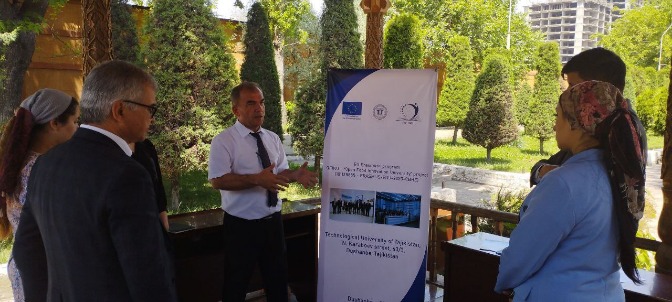
On May 29, the Technological University of Tajikistan hosted regular periodic competitions “Young Inventors”, “Best Innovative Projects of Students” and an exhibition of products and a job fair for enterprises for graduates, which are traditionally held at the university 2-3 times a year. At this event, the OFINU project working group presented promotional materials for the project containing goals and objectives and the main stages of its implementation. A large number of representatives of state and foreign companies, organizations and departments, as well as graduates and students took part in these events, and also visited the corner of the OFINU project. It should be noted that the number of visitors to the exhibition corner of the project was about 400 people. Members of the project working group took turns presenting detailed information about the goals, objectives and ideas of the project and explained its importance for the higher education system in modern conditions. Among the official guests who visited this corner were representatives of the Ministry of Industry and New Technologies, the Ministry of Education and Science,, Government of the Dushanbe city, the Ministry of Labor and Employment, as well as other organizations and departments, who, accompanied by the rector of the University Rahmonzoda Zoir Faizali, received from the lips of those presenting the project more complete information about the project.
-
-
-
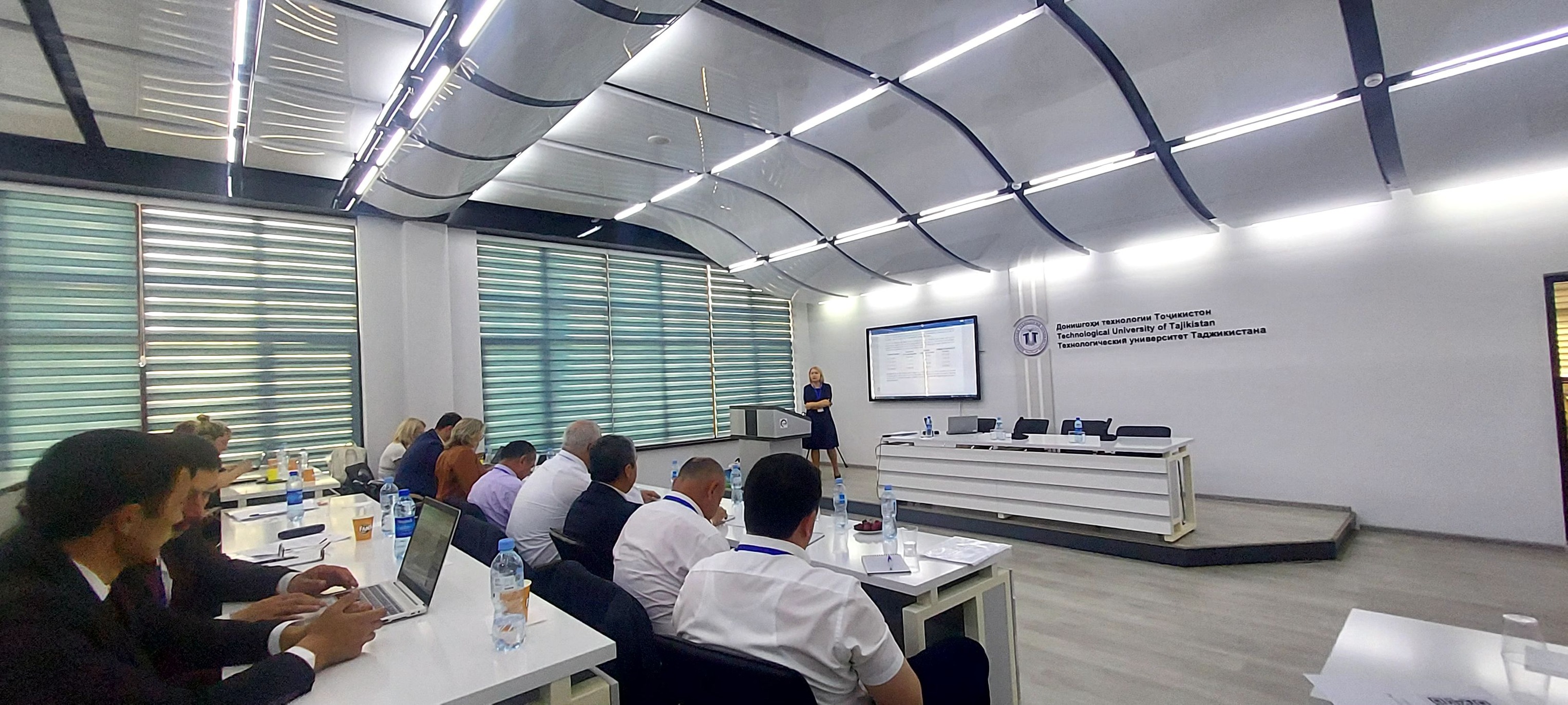
Two day Kick-off meeting of OFINU ERASMUS+ project in TUT, Dushanbe 06-07.06.2024. Coordinator of the project Irina Kulitane made presentations about all tasks of Work Packages WP of the project. All partners were informed about responsibilities and main goals of the project.
-